Short on Hands, High on Demands
Highlighting the critical importance of building a workforce that can meet rising power demands. (Sponsored Content)
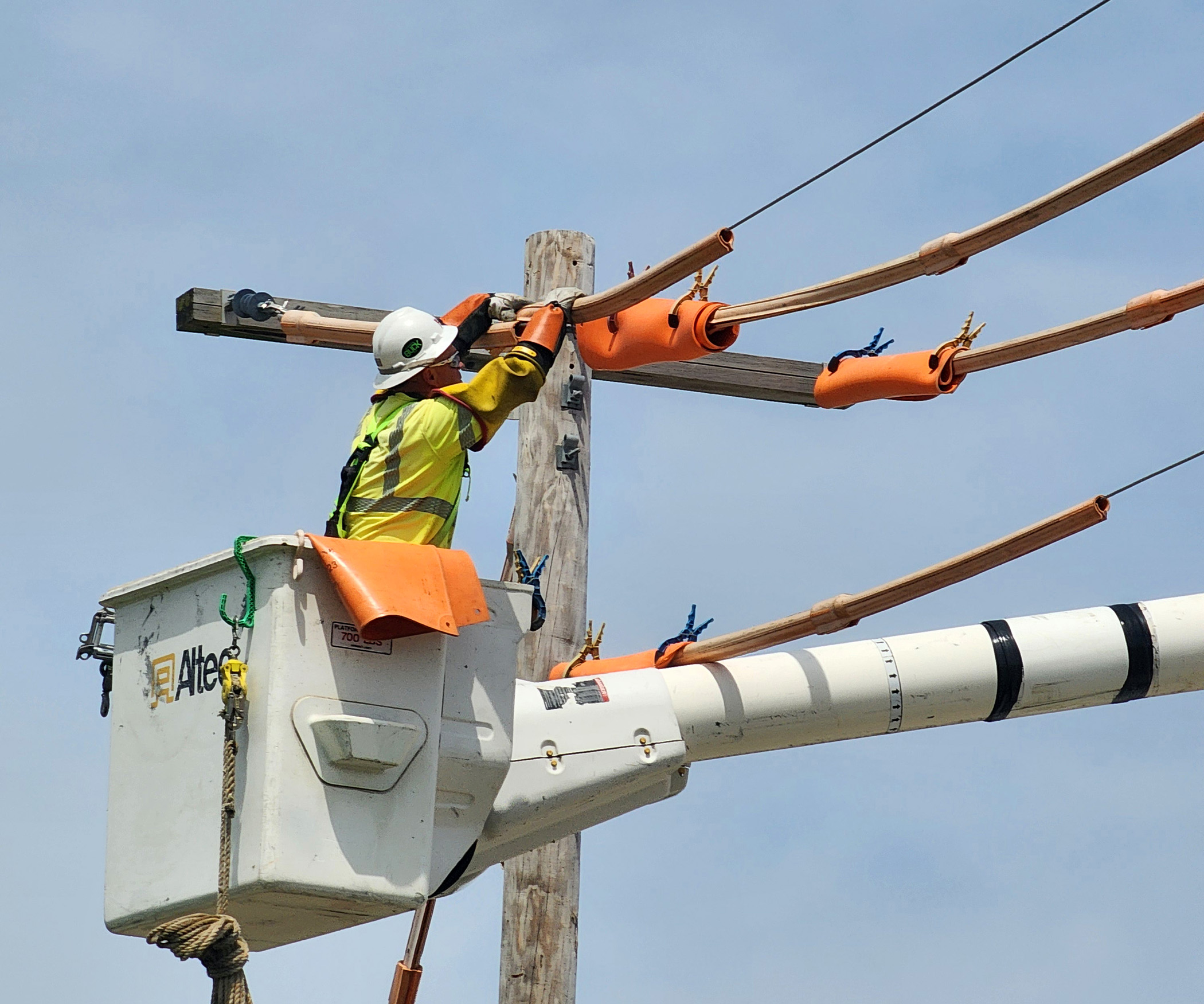
Aging energy infrastructure and ever-increasing power requirements necessitate not only a diverse mix of energy solutions, but also a robust, skilled workforce capable of safely installing, maintaining, and upgrading the systems that power our everyday lives.
Rising Demand and Workforce Gaps
Across the United States, industries are experiencing a shortage of trained and willing workers. According to ManpowerGroup, 74 percent of employers struggle to find skilled talent. The U.S. Bureau of Labor Statistics reports that only 62.6 percent of the working-age population participates in the workforce, leaving companies short 1.9 million workers.
According to the Center for Energy Workforce Development (CEWD), energy jobs grew 3.8 percent in 2024, adding 250,000 jobs that year alone. Furthermore, CEWD anticipates the energy sector will need to hire 32 million people during the next decade to address both expansion and replacement needs. Complicating matters: 50 percent of the current industry workforce is 45 years old or older, while Generation Z and Millennials comprise 40 percent of the current workforce
The Role of Industry Stakeholders
This substantial demand will require energy leaders to collaborate on education and training initiatives while taking a comprehensive approach to job recruitment and training. This includes working with technical schools, skills organizations, labor groups, and diverse outreach organizations. Continuous education, upskilling, mentorship, and career progression are important to attracting and retaining talent, with a focus on both new entrants to the field and mid- career professionals who want to advance.
Bridging the Gap
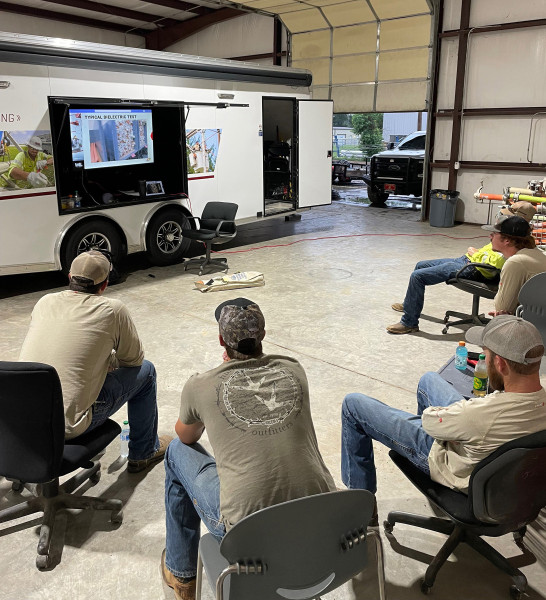
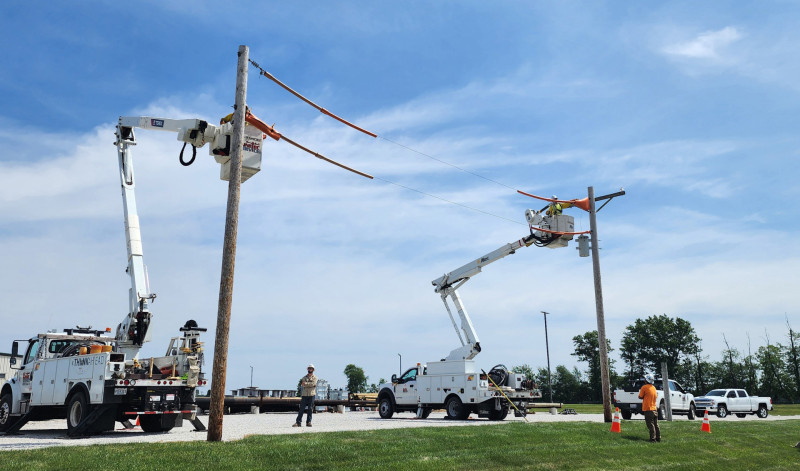
Energy providers are increasingly turning to partners that can supply not only equipment, but also the workers needed to complete essential infrastructure projects. In addition to 8,600 union and non-union employees positioned across North America, Centuri has demonstrated that we can mobilize thousands more skilled and qualified individuals to meet the demands of our customers and our projects— and to mobilize during emergency response situations— through recruiting campaigns and ongoing talent pipeline development. Our in-house safety and training programs ensure employees have the highest standards of qualifications and the confidence to succeed on the job. A full suite of learning and development programs support skills development and career progression.
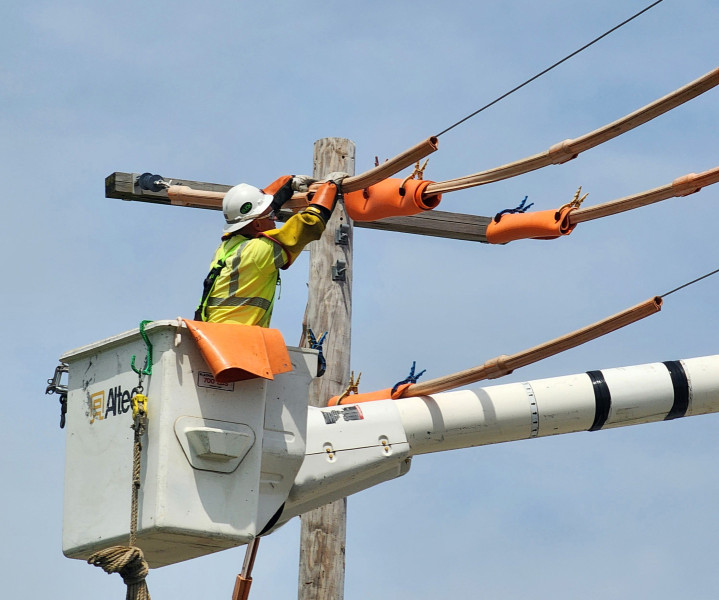
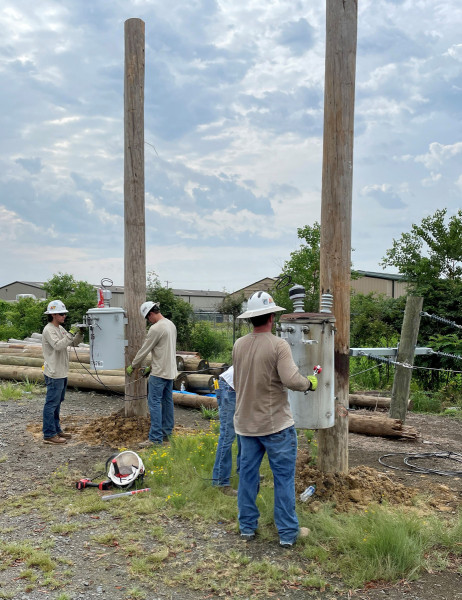
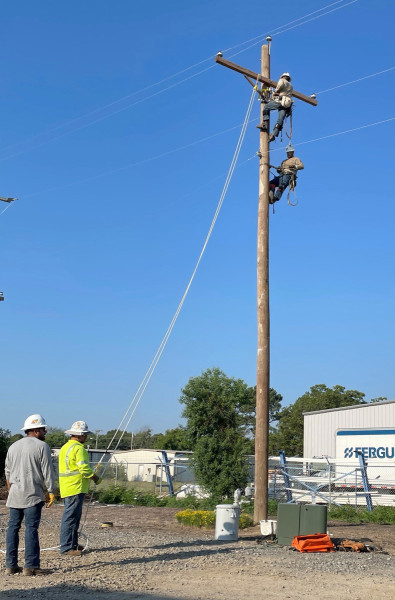
In addition, our U.S. Department of Labor (DOL)-approved, four-year Lineman Apprenticeship program is another way we are working to ensure our workforce possesses the necessary competencies. Apprentices of all demographics receive 8,000+ hours of blended training, and, upon successful completion, receive a DOL Journeyman Certification and Journeyman certificate. Today, we have 600 enrolled apprentices and 98 graduates.
The Workforce Reality
While artificial intelligence will undoubtedly create efficiencies in our personal and professional lives, the reality is we still need people to build and sustain critical infrastructure. Reliable partners who can mobilize and provide a highly skilled and safe workforce should be focused on developing programs that attract the next generation, inviting them to be part of the solution to our generation’s energy challenges.