






Electric Perspectives: What to Know About Data Centers From EEI-Axios Live
Takeaways and key themes from the EEI-Axios event, Electricity in Transition: Strengthening the Grid for What's Next.
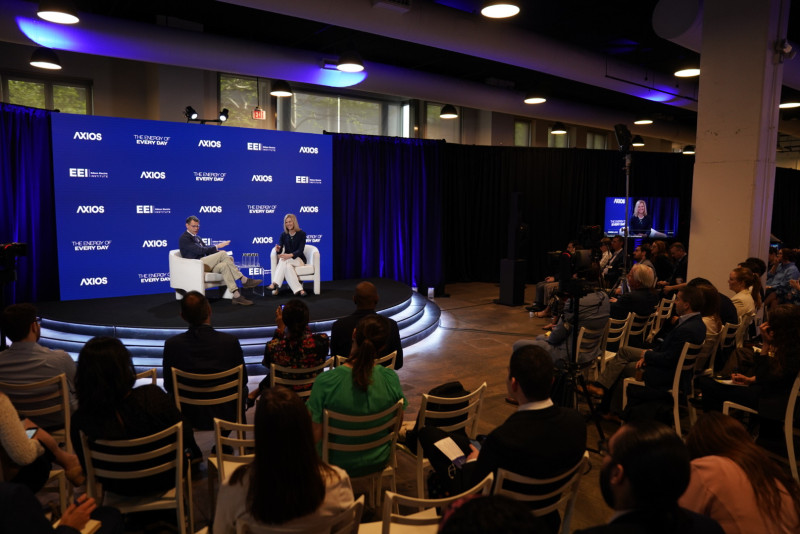
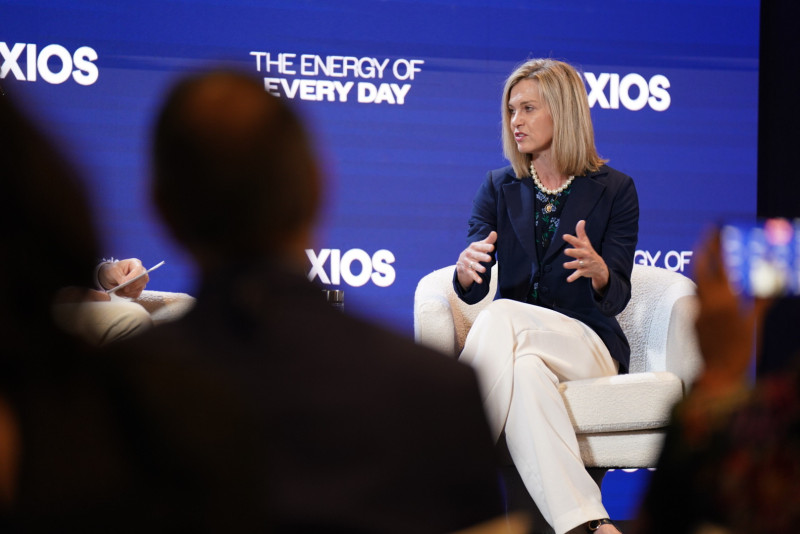
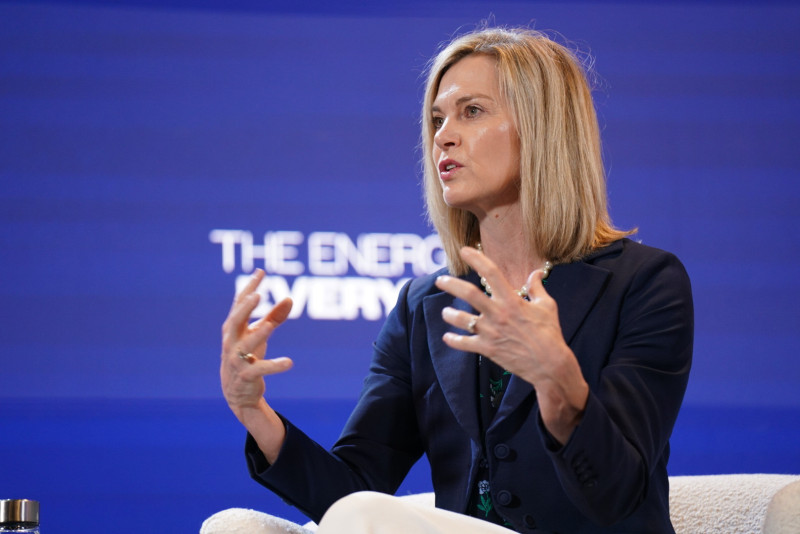
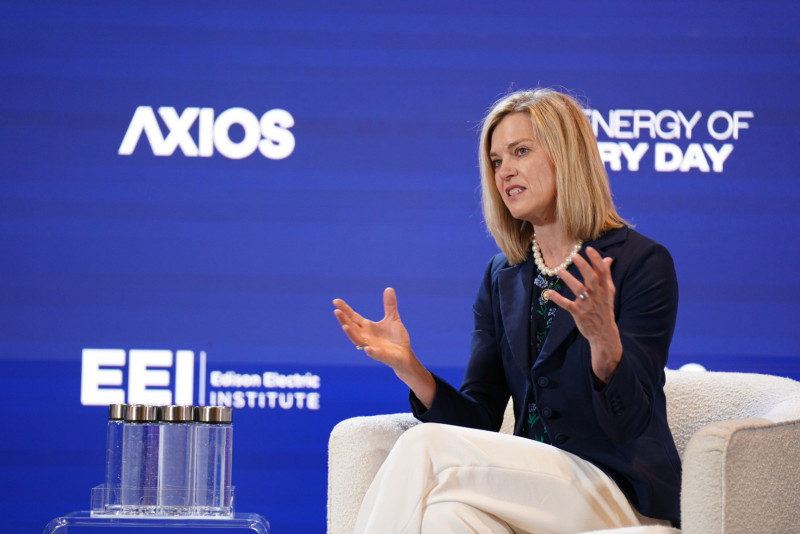
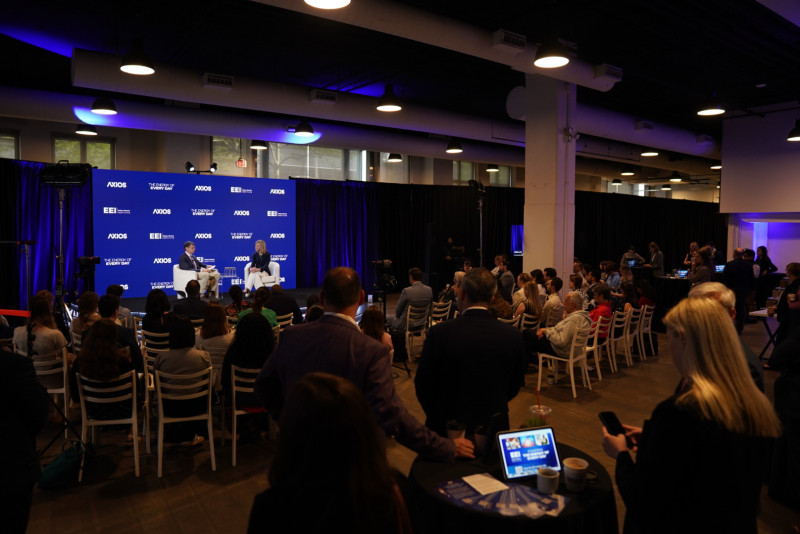
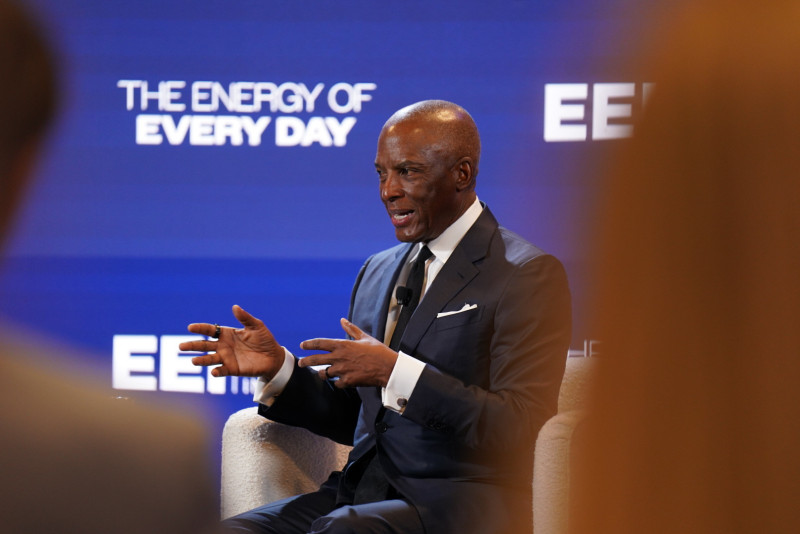
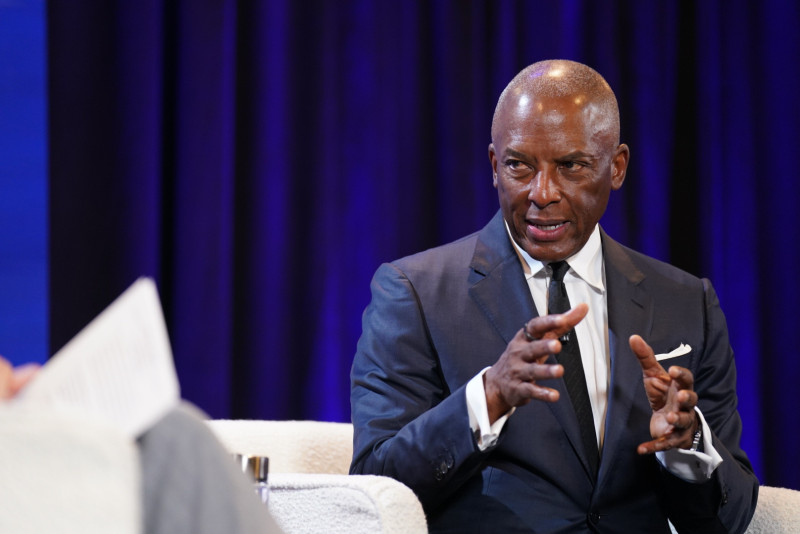
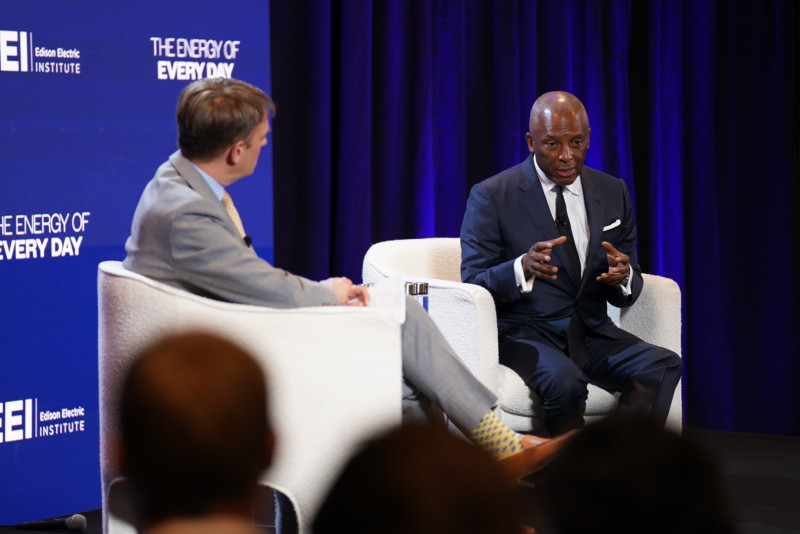
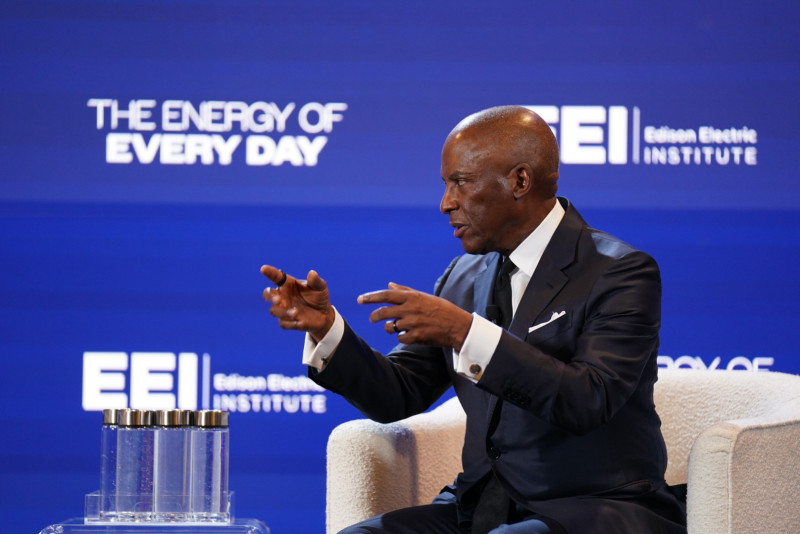
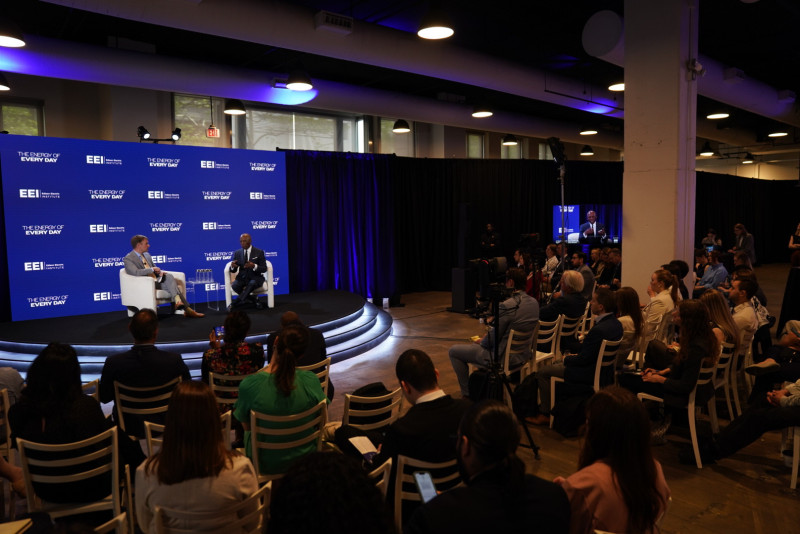
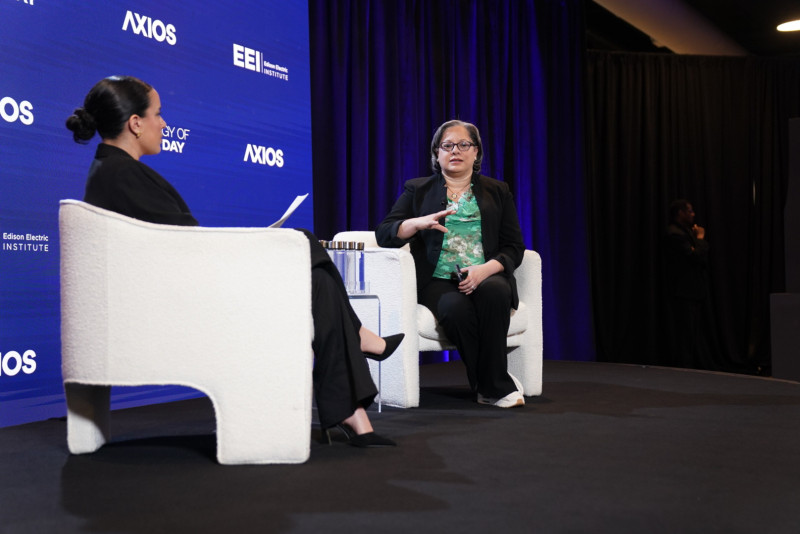
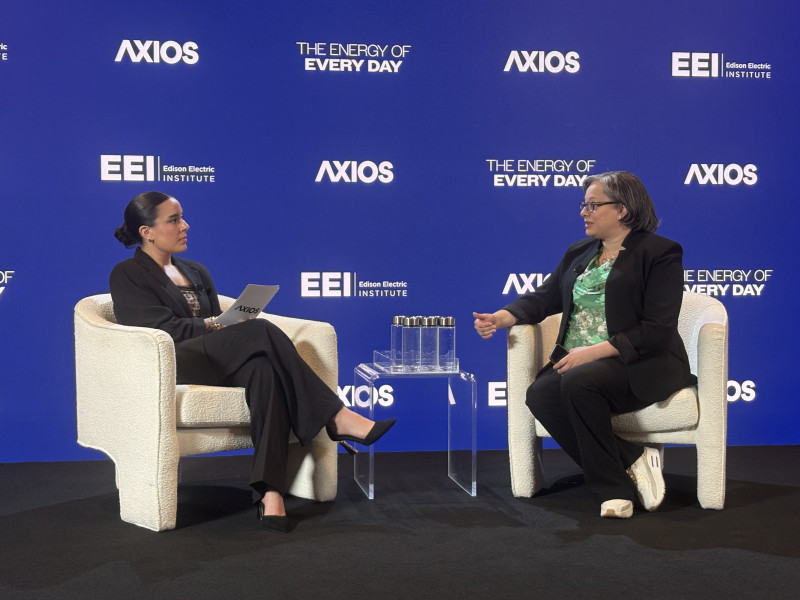
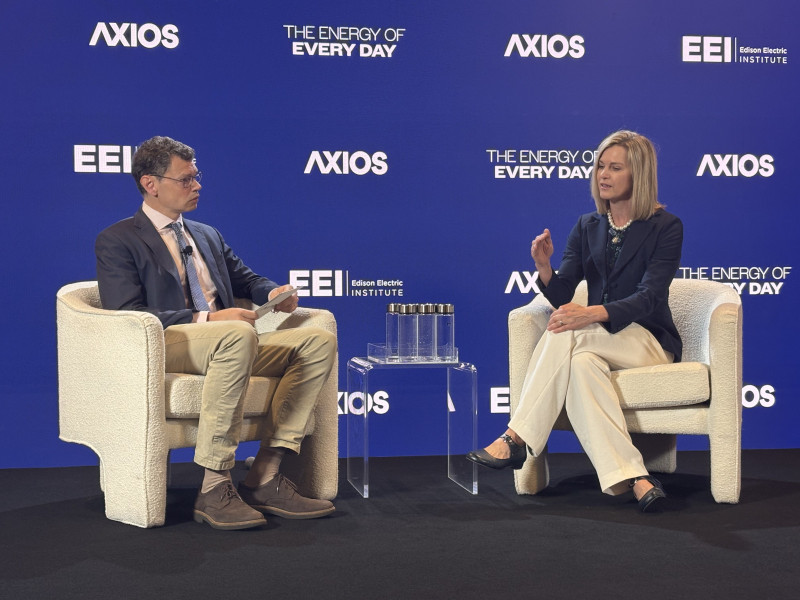
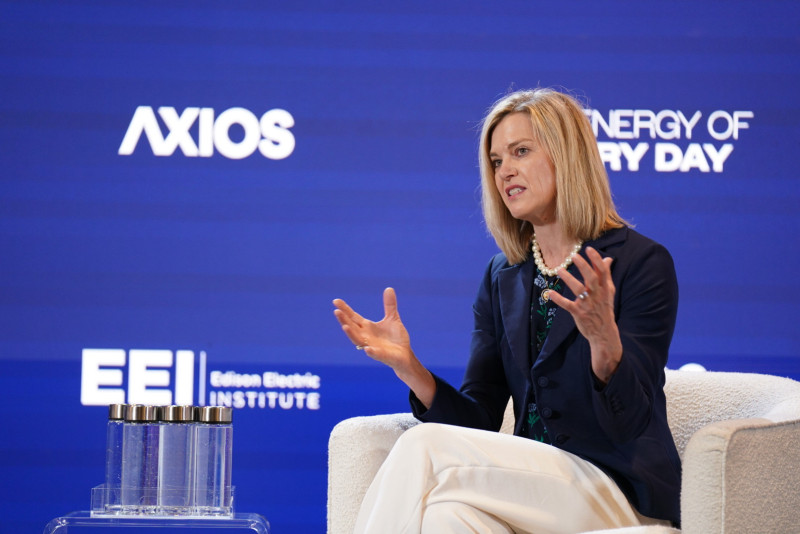
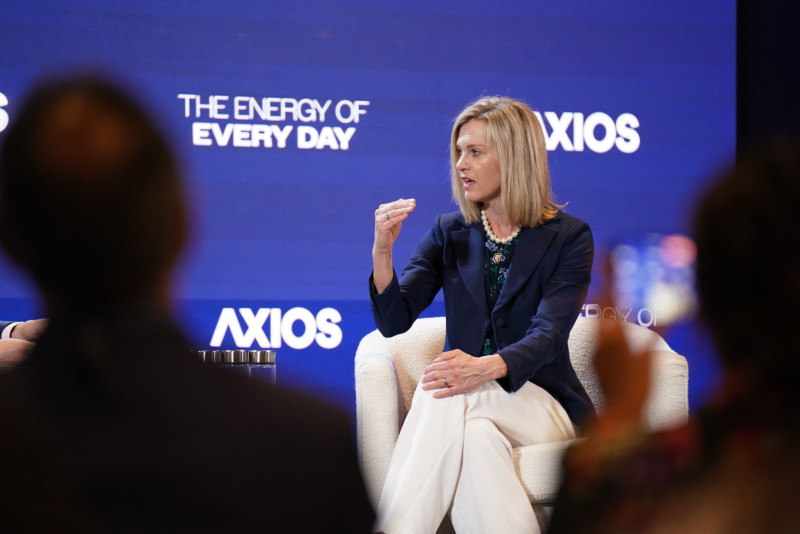
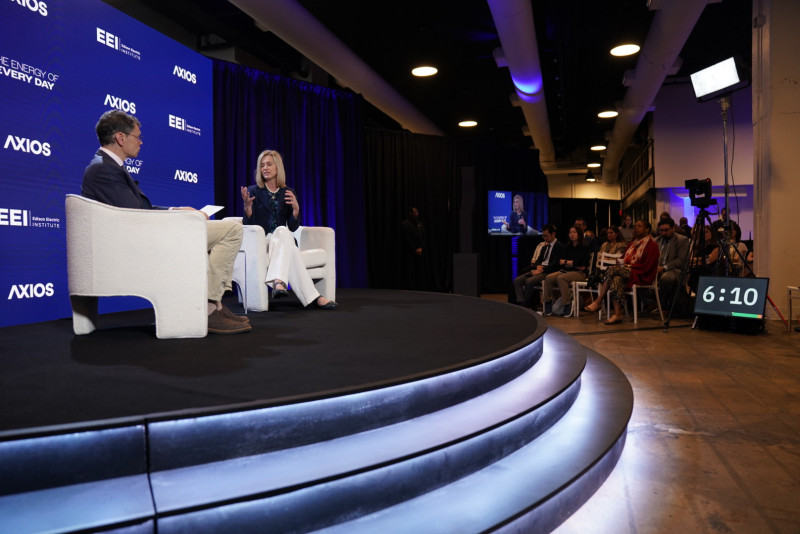
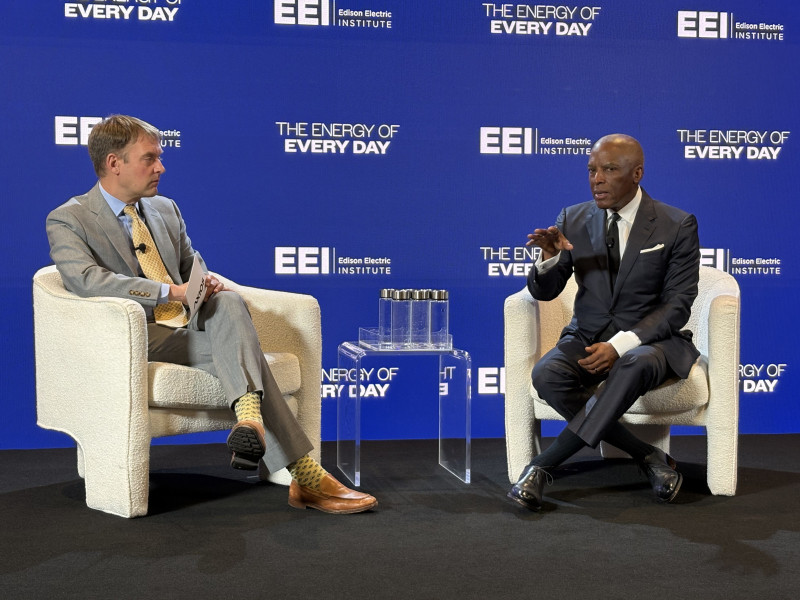
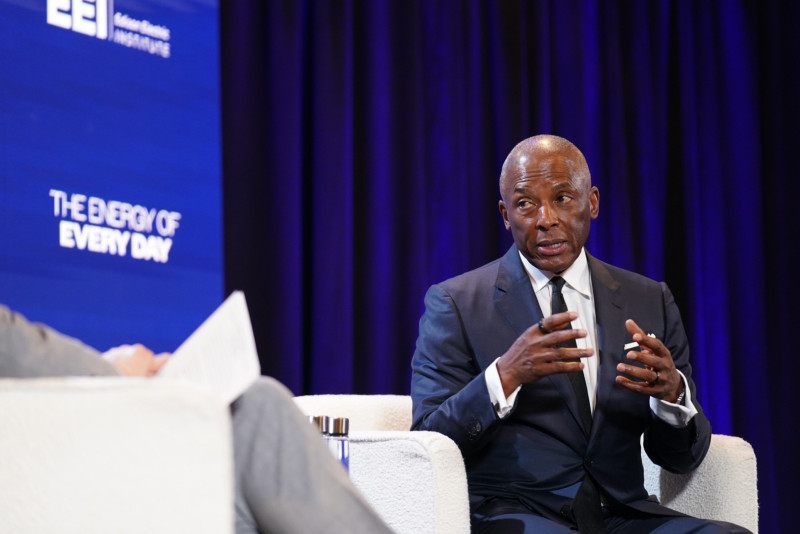
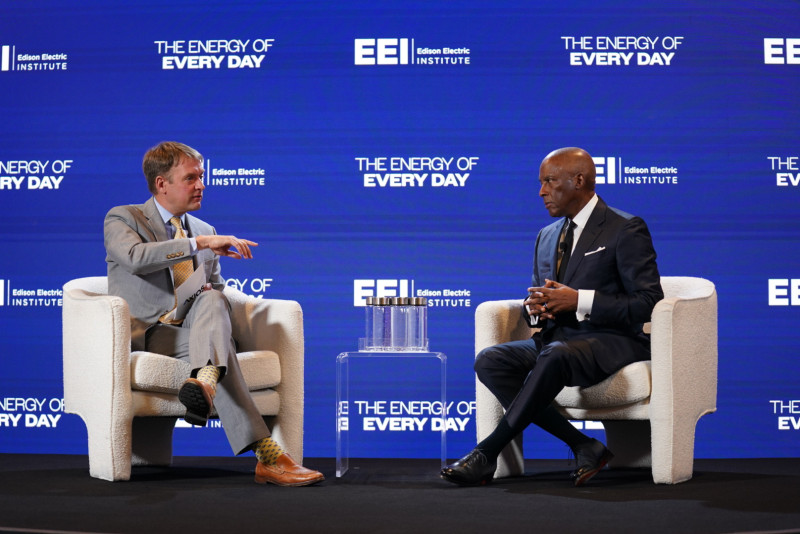
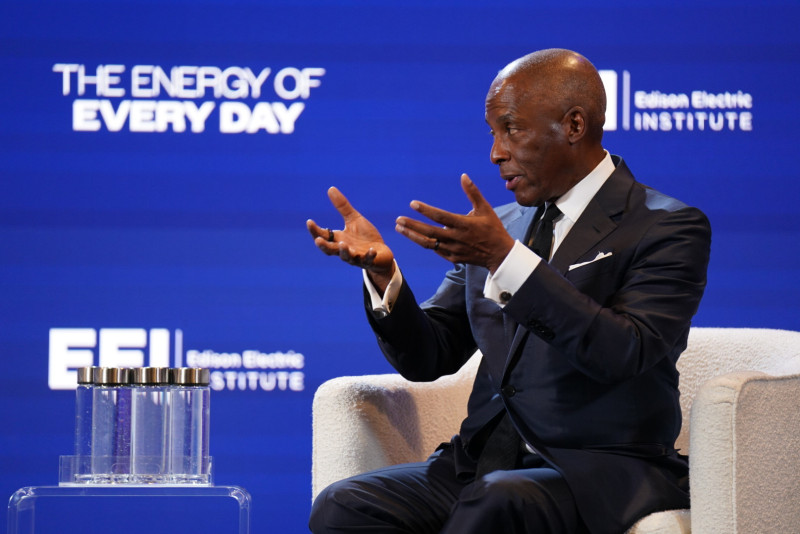
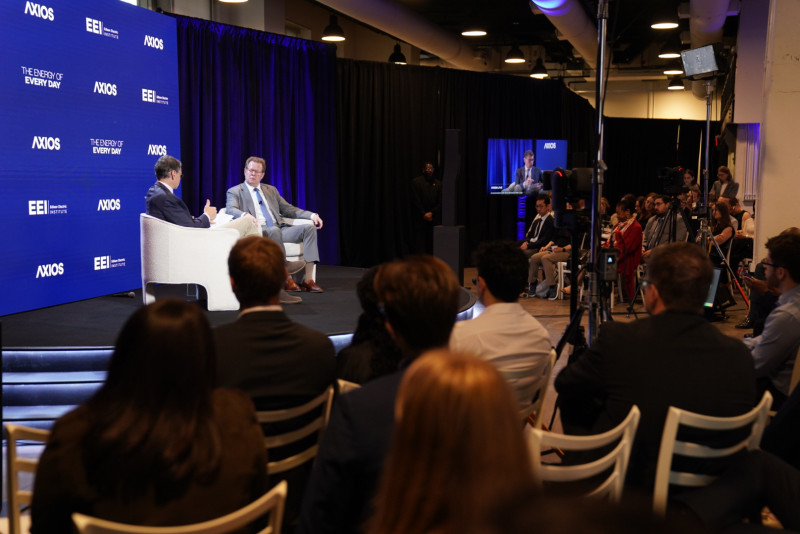
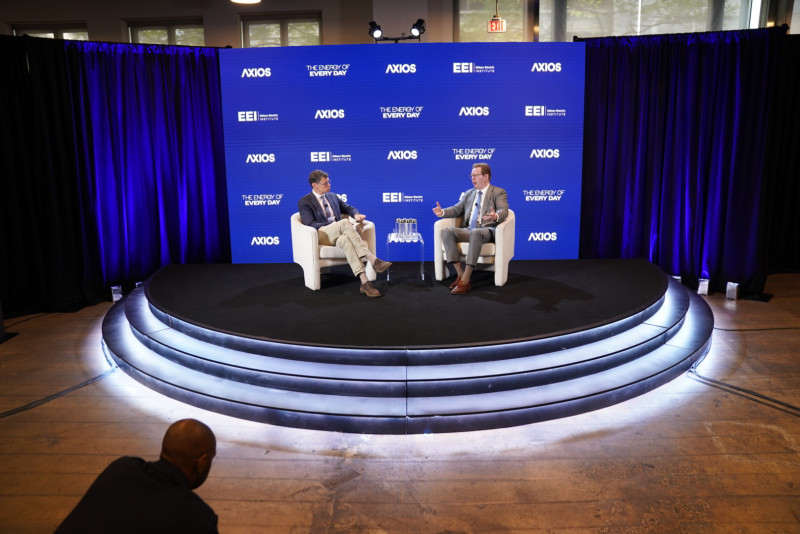
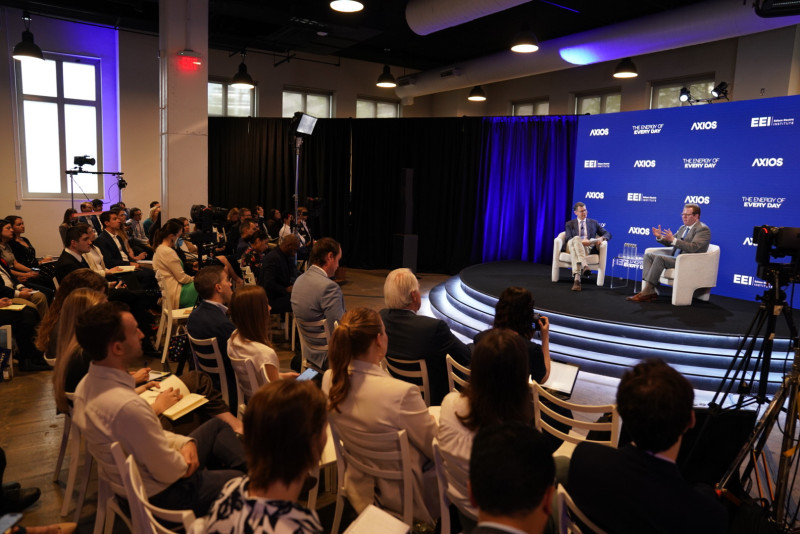
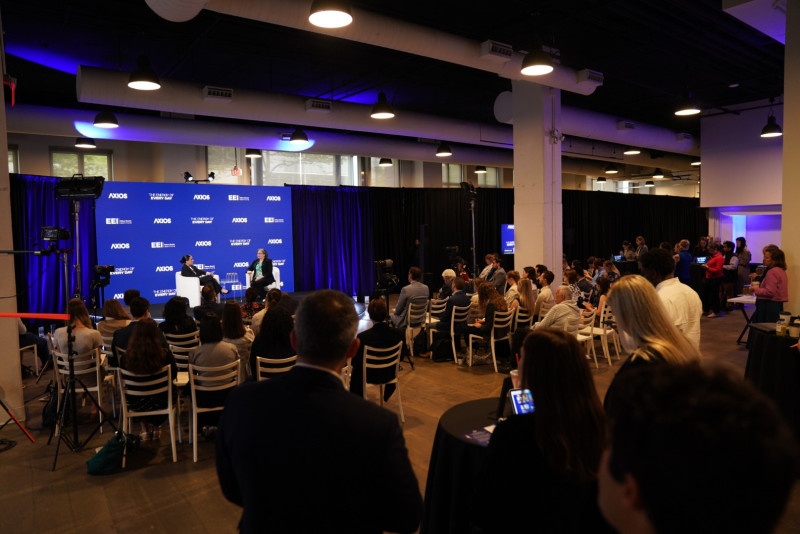
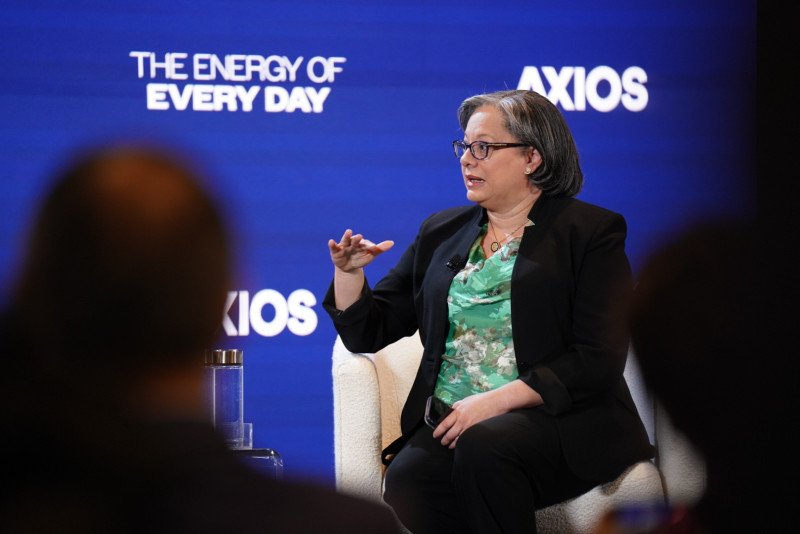
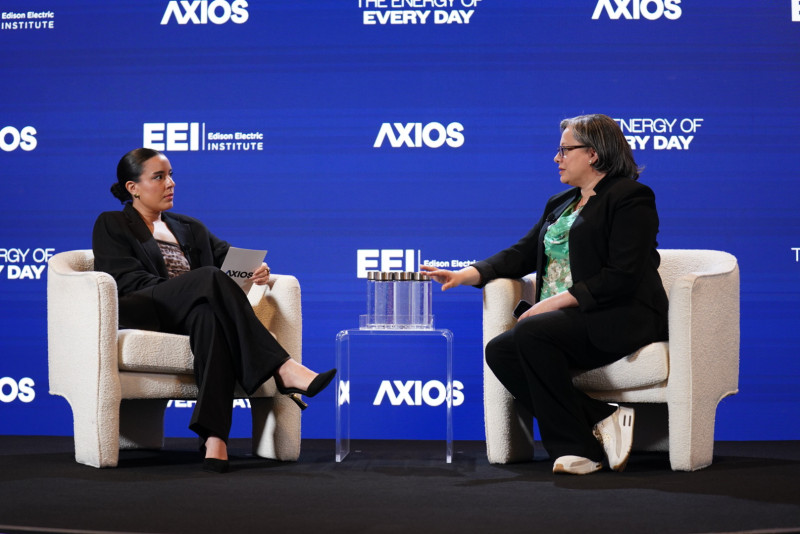
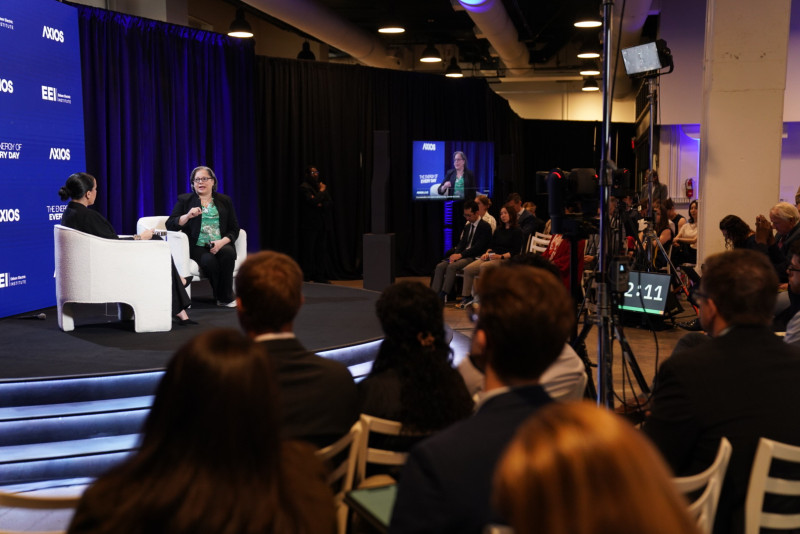
Data centers and AI were drivers of conversation during a recent EEI-Axios Live event featuring EEI Vice Chair Chris Womack, chairman, president, and CEO of Southern Company; White House National Energy Dominance Council (NEDC) Director Peter Lake; and Representatives Julie Fedorchak (R-N.D.) and Jennifer McClellan (D-Va.).
4 Takeaways:
1. Industry and Government Agree: Tech Companies Should Pay Their Fair Share.
Context: Electric companies and their government and regulatory partners are aligned on protecting residential customers by ensuring data centers and large loads pay for the infrastructure needed to meet their energy demand.
Many data center developers are also on board, particularly after the White House unveiled its Ratepayer Protection Pledge to ensure tech companies pay their fair share to access the grid.
EEI in March published a snapshot of the data center projects its members are engaged in, detailing 39 gigawatts of projects and $840 billion in investments. These projects are bringing economic development to communities across the country without raising customers’ bills.
Electric Perspectives:
[Data centers] should pay for everything—absolutely all their costs. I’ve heard over and over that they’re willing to do that. In North Dakota, we’ve already seen companies connect where there’s excess energy … and actually lower rates. The idea that rates will explode for consumers isn’t necessarily true.
- Representative Julie Fedorchak (R-N.D.)

State and federal governments need to think through how we make sure planning for data centers is smart, and more importantly, how we make sure data centers are paying their fair share for the energy demands they produce—not consumers or other businesses.
- Representative Jennifer McClellan (D-Va.)
2. Companies Are Protecting Customers.
Context: Twenty states have approved a large load tariff, charging higher, specialized rates to large load customers to ensure they fund the grid upgrades and infrastructure projects needed to meet their energy demand. Nine other states are actively considering them.
Two states where tariffs have been approved are Alabama and Georgia, where Southern Company has implemented multi-year rate freezes thanks to data center and large load development.
A recent report from Charles River Associates (CRA) found that—outside of the PJM region—data centers have not driven up residential rates.
Electric Perspectives:
We as an Administration, the states, and the utilities like Southern Company and Entergy in Louisiana, are doing a great job meeting [hyperscaler] demand. We’re doing everything possible to set the stage for success, and companies like Entergy and Southern Company are rising to meet that challenge.
- NEDC Director Peter Lake
[Data centers] provide collateral, have minimum bills, long-term contracts, cancellation fees—everything to mitigate risk. And, importantly, the cost of building infrastructure for them is not borne by other customers. In fact, in Southern Company territory, this growth is helping us freeze rates in many jurisdictions for the next few years.
- EEI Vice Chair Chris Womack
3. Market Structure Matters.
Context: Vertically integrated companies that own their own generation are among the most closely regulated operations in the country, with rates and investments approved by public service commissions through open and transparent rate reviews.
Electric companies, state regulators, consumer advocates, local officials, customers, environmental groups, and other stakeholders have input on generation, transmission, and distribution decisions—which is beneficial when major investments like data centers are being considered.
Several speakers at the event noted the PJM region lacks vertical integration, exacerbating some of its recent challenges.
Electric Perspectives:
Vertically integrated markets do have advantages. You have a regulator helping guide decisions, and there’s a more direct connection to reliability, which can be trickier in competitive markets.
– Representative Julie Fedorchak (R-N.D.)
We also operate across the full portfolio—generation, transmission, distribution—so we can manage things more efficiently and work closely with regulators. In contrast, some markets, like PJM, are facing challenges. …Those markets weren’t designed for this level of growth, so they need structural changes to create the right price signals and encourage more supply.
- EEI Vice Chair Chris Womack
4. Companies Need to Communicate Customer Benefits.
Context: Although public sentiment on data centers is low, EEI members are leading projects that are bringing new jobs, tax revenues, energy infrastructure, and local investments to communities across the country without driving up customer bills.
Womack and Lake indicated there is no shortage of success stories nationally and that industry and government can do a better job communicating benefits directly with customers.
Electric Perspectives:
We’re focused on telling the truth. There’s a lot of false narrative out there about how growth is being paid for and developed. We want to make sure people understand what’s really happening.
- EEI Vice Chair Chris Womack
Southern Company is living out exactly what the President’s Ratepayer Protection Pledge is meant to be. They’re building all of the big baseload power and combined-cycle gas that this country needs, that our economy needs, that our data centers and AI industry needs—and they’re making sure that those companies driving that demand are the ones paying for it.
- NEDC Director Peter Lake
What’s Next:
- Duke President and CEO Harry Sideris will feature in the next EEI-Axios Live event scheduled for September.
- The CRA rate analysis has more information about data centers and customer impacts, detailed in a recent Electric Perspectives podcast episode.
- A recent Lawrence Berkeley National Lab report indicated growing demand from data centers and businesses can help lower costs for states and communities.
- Data centers and rising energy demand will be a key topic of conversation at EEI 2026, to be held June 2-4 at the Fontainebleau Las Vegas. Register today at eei.org/2026.