
Expanding Drone Capabilities for Infrastructure Inspections
Duke Energy Earns Multi-Drone FAA Waiver
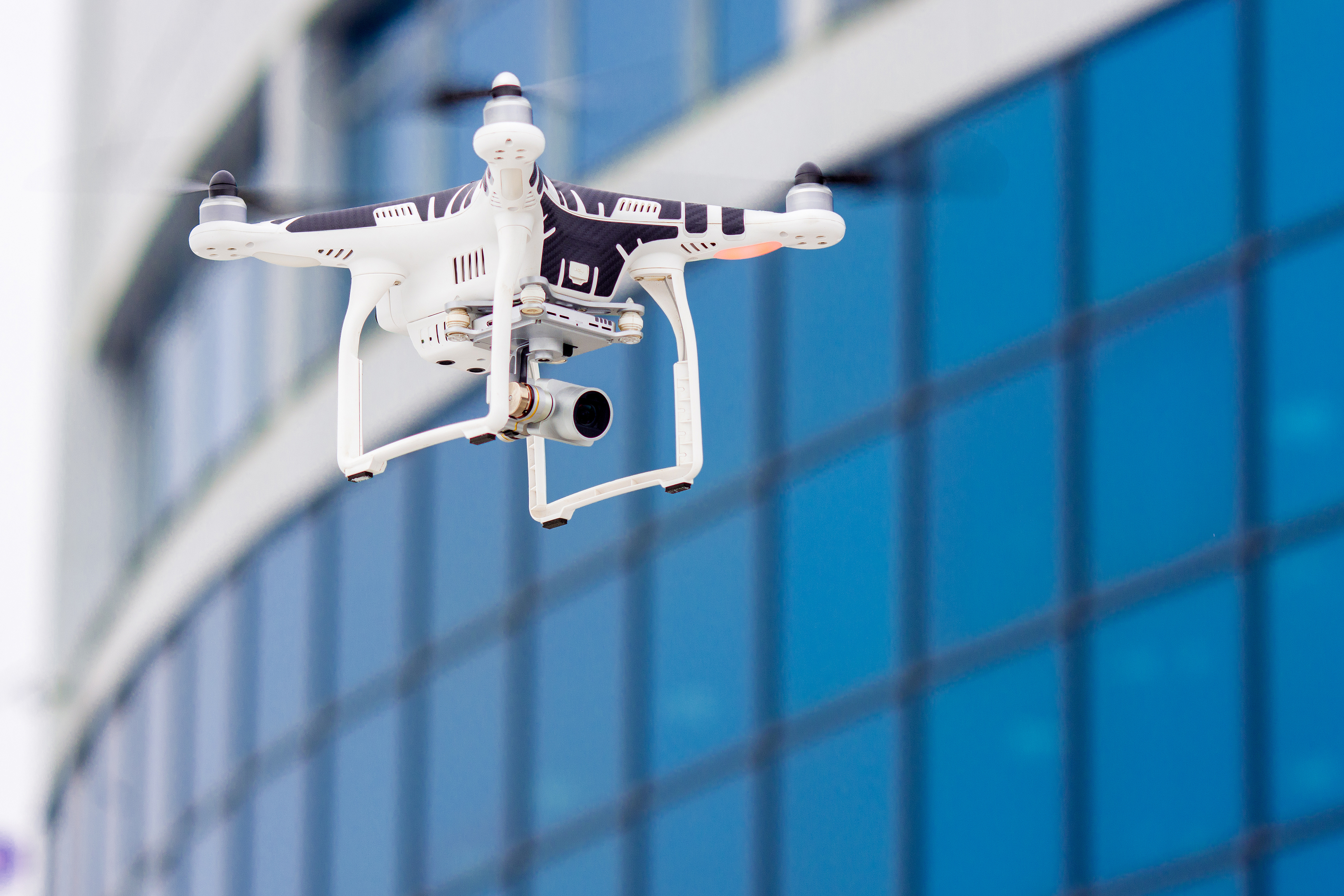
Duke Energy recently received a waiver from the Federal Aviation Administration (FAA) for a single pilot to operate up to four drones beyond visual line of sight—a key designation that will give the company greater flexibility to deploy uncrewed aircraft systems (UAS) to protect and maintain the energy grid.
Duke Energy began using drones for storm response in 2015, strategically integrating the technology into its operations. In 2024, drones were used to help reconductor a transmission line in Shelby, N.C., following Hurricane Helene—allowing crews to complete a potentially dangerous and time-consuming task safely and in a matter of hours.
Commercial drone deployment is overseen by the FAA, and certain activities and use cases require specific waivers, including automated, defined flight paths for inspecting infrastructure. Duke Energy already held a waiver allowing its pilots to operate drones beyond visual line of sight—enhancing efficiency and safety and decreasing reliance on ground crews, bucket trucks, and crewed aircraft like helicopters for infrastructure inspections and storm damage assessments. With the company’s new FAA waiver, a single pilot will now be able to operate multiple drones beyond visual line of sight.
Electric companies have increasingly embraced drone technologies to safely and efficiently inspect infrastructure, assist in storm response, and mitigate risks for lineworkers—particularly when high-resolution cameras, light detection ranging sensors, and thermal sensors are implemented.
This is the latest example of an EEI member company utilizing drones to enhance inspections while lowering costs. Dominion Energy is one of several electric companies using a combination of drones and AI to more frequently inspect infrastructure and more quickly make maintenance decisions. The Southwestern Electric Power Company, meanwhile, is using drones to assist in tree trimming and vegetation management efforts in Louisiana and Texas.
Last year, Southern Company received FAA approval for UAS flights beyond visual line of sight to monitor energy infrastructure, assess storm damage, and respond proactively to potential issues with the energy grid.
Florida Power & Light, similarly, began flying its FPLAir One drone in 2022. At the time, it was the first fixed-wing drone of its size to be operated commercially outside of an FAA test site. Xcel Energy was the first to receive FAA approval to utilize UAS technologies to survey transmission lines back in 2018.