Southern Company's Stan Connally: Hurricanes Helene, Milton Test Industry’s Storm Response
Southern Company, like so many of our peers, is focused on resilience planning, preparing for extreme weather events and worst-case scenarios so that we can deliver for our customers when they need us most.
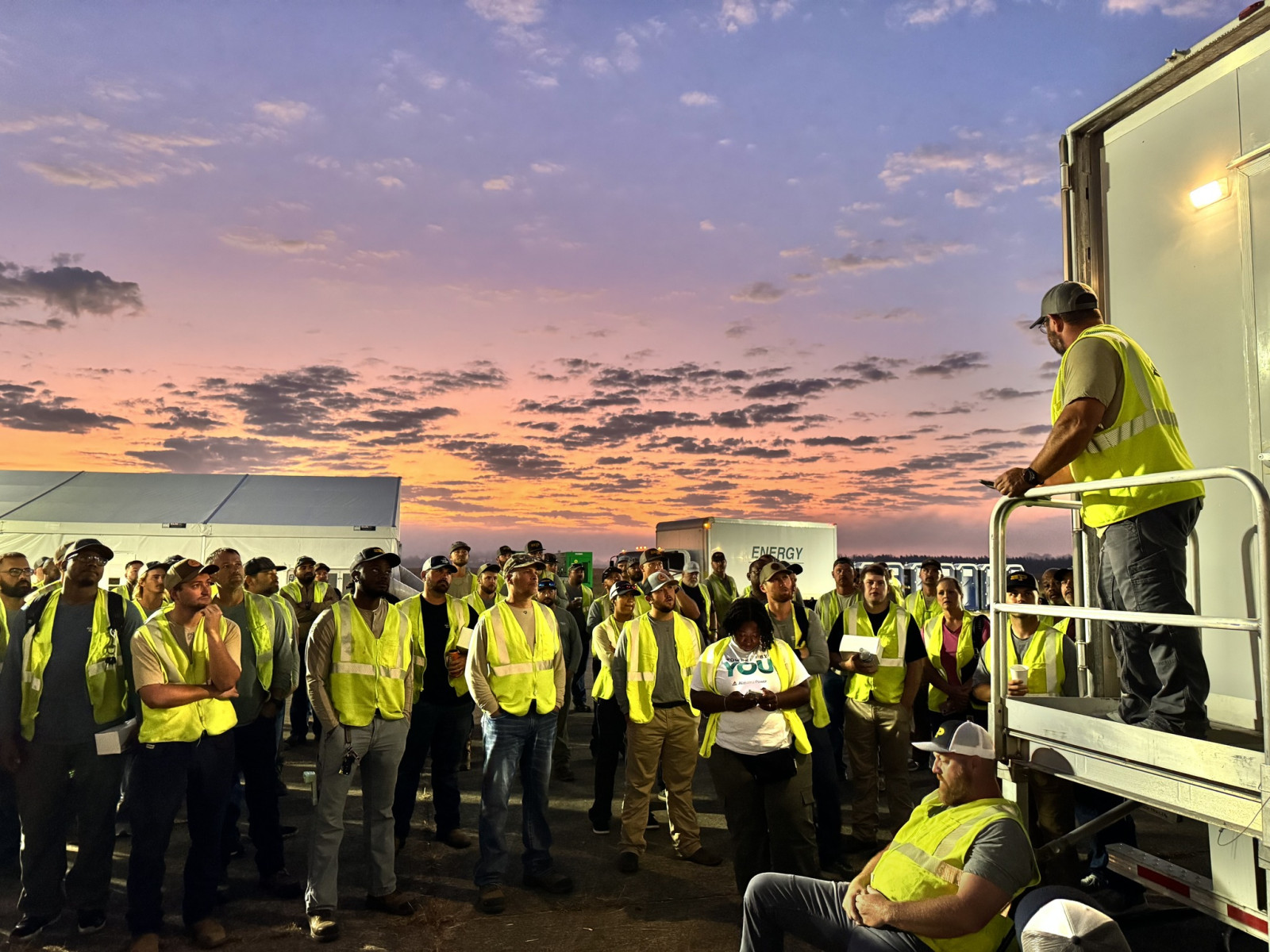
Collaboration and coordination between government stakeholders and the electric power industry are vital following weather-related events and natural disasters that cause significant power outages. These partnerships help ensure an efficient response, using the strengths and resources of both industry and government to restore power quickly and to support storm-affected communities and customers. By working together, we can mitigate the impact of disasters, enhance resilience, and expedite recovery efforts.
One of the hallmarks of this industry is its collaborative nature, embodied by the mutual assistance process that brings resources and support to communities that need it most. We are fortunate to be part of a critical industry that keeps the lights on and energy flowing, and we are proud to be there so customers and communities know they can depend on us to reliably deliver the energy they need when and where they need it. That’s true on blue-sky days and in recovering and rebuilding in the wake of storms.
More than power, even, we have the privilege of restoring hope. Nowhere was this more evident than in the recent responses to Hurricanes Helene and Milton, which made landfall within two weeks of one another. More than 200 lives were lost during these devastating storms, which also disrupted power and paralyzed local economies for millions of Americans.
The Electricity Subsector Coordinating Council (ESCC)—the principal liaison between the federal government and the electric power sector—was pivotal in preparing for and responding to these hurricanes. The ESCC brings together industry CEOs and leaders with key federal partners, including officials from the White House, the Federal Emergency Management Agency (FEMA), and the U.S. Departments of Energy and Homeland Security, among others.
During Helene and Milton, the ESCC convened numerous national calls structured to facilitate unity of effort and message. Working through the council ensured that information was shared with all relevant parties and that challenges were promptly addressed to help communities recover safely and as swiftly as possible.
We are incredibly grateful for the involvement and leadership of senior government officials who connected directly with our industry throughout the response to these storms. Especially encouraging was direct engagement from President Joe Biden; Vice President Kamala Harris; Energy Secretary Jennifer Granholm; FEMA Director Deanne Criswell; and Deputy Homeland Security Advisor Caitlin Durkovich, among others.
In the days leading up to and following Helene’s landfall, Southern Company system responders joined tens of thousands of mutual assistance workers deployed from all over the country before pivoting to assist with the response to Milton. In the responses to Helene and Milton, our industry mobilized more than 50,000 mutual assistance workers from at least 41 states, the District of Columbia, and Canada—highlighting the strength and importance of industry partnerships in storm restoration.
The coordination across companies and state lines, and the unity of effort to move crews and materials where work needed to be done, was a marvel to see.
Customers and communities are at the heart of everything we do. We know that energy is a necessity, not a commodity. It is a critical asset to our nation and to our economy that powers everyday life. That’s why we also know how incredibly essential energy resilience is.
Southern Company, like so many of our peers, has been focused on resilience planning for years. We prepare for extreme weather events and worst-case scenarios so that we can deliver for our customers when they need us most. Since 2015, we’ve invested around $21 billion in our energy grid. And much of our future investment is expected to go toward things that make our grid more resilient, like hardening our infrastructure and enhancing the resilience of our generation facilities.
Investments in resilience pay off. Even with the magnitude of Helene and Milton, areas in Florida and Georgia that had significantly invested in resilience experienced less damage to the grid and saw faster restoration times. We are working closely with customers, communities, government officials, and regulators to help everyone understand the importance of these investments and the tangible benefits they provide.
I am proud of the team at Southern Company—and of EEI and our peers across the industry—for learning new lessons every year and after every storm. We are always looking for ways to get better. Helene and Milton brought extraordinary challenges. Their lessons will help us to better serve our customers and to be even more prepared for the next storm.