
Net Zero: One Goal, Many Paths
A one-size-fits-all policy approach risks entrenching division and opposition. We need a pragmatic approach that broadens support for the clean energy transition and adequately addresses the opportunities and challenges it presents.
By David Hutchens, President and CEO, Fortis Inc.
Ambitious targets to address climate change and reduce carbon emissions have been set around the globe. The United Nations (UN) is challenging governments, businesses, and individuals to take urgent action to reduce emissions now, with UN Secretary-General António Guterres recently convening a Climate Ambition Summit in New York ahead of the UN Climate Change Summit, or COP28, to be held later this year in Dubai.
At Fortis, we have seen emissions reduction initiatives take shape throughout the North American electricity and natural gas sectors. We have 10 electric and gas utilities across five Canadian provinces, 10 U.S. states, and three Caribbean countries. Canada is addressing climate policies with carbon pricing, an oil and gas emissions cap, and clean electricity regulations. The country is targeting a net-zero electricity sector by 2035.
Meanwhile, the United States plans to reduce greenhouse gas emissions to 50 percent below 2005 levels by 2030 and reach carbon pollution-free electricity by 2035. Both the United States and Canada seek to achieve a net-zero economy by 2050.
The efficacy of policy implementation is being debated vigorously throughout North America. However, transitioning to a low-carbon economy is imperative to protect our natural environment, economic prosperity, and social cohesion. And, the electricity sector is and has been leading the way. Canada’s electricity industry has reduced carbon emissions by 60 percent since 2000, while the U.S. electricity industry’s emissions are 36 percent below 2005 levels as of year-end 2022. As an industry, we are uniquely positioned to educate and advise policymakers, regulators, and customers on the complexities of navigating the massive clean energy transformation. Safe, reliable, and affordable energy is the backbone of national security and our economy. Compromising on these core priorities is not an option. How do we reach net zero without compromising these core priorities? Ambition, expressed in international agreements and government targets, is important but insufficient.
Governments, regulators, and industry must collaborate on policy to align climate and economic goals. Meaningful action requires approaches that reflect our political, economic, and regulatory diversity and the distinct energy needs and available resources of different jurisdictions. A one-size-fits-all policy approach risks entrenching division and opposition. We need a pragmatic approach that broadens support for the clean energy transition and adequately addresses the opportunities and challenges it presents.
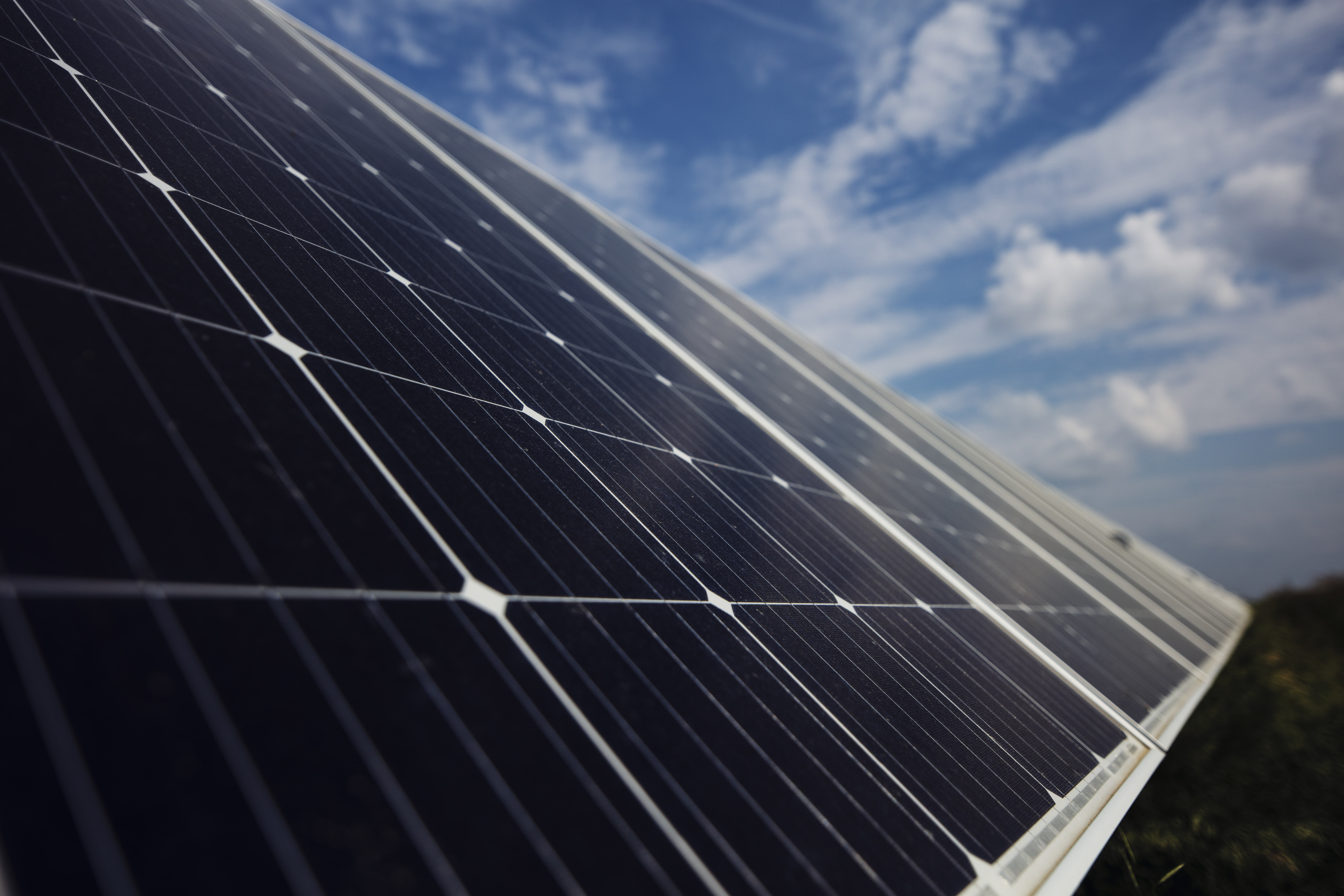
Fortis conducts climate scenario analyses and is upgrading its existing infrastructure to better prepare for the effects of climate change and extreme weather events.
Balanced Public Policy
The geographic and regulatory diversity of our companies provides a good vantage point for comparing the electricity and natural gas sectors across different regions of North America. To address the challenge of climate change, we must look beyond our states and provinces. Strengthening and optimizing the broader energy grid with interconnections across regions, borders, and markets is crucial. A truly North American grid will deliver improved reliability, support the integration of variable renewables, and provide customers with significant savings.
The shift to clean energy will entail a transitionary period when fossil generation capacity, particularly natural gas, will be necessary to support the increasing level of renewables affordably and reliably as technologies and supply chains continue to develop. Low-carbon fuels, such as renewable natural gas (RNG) and hydrogen, will be an important component in capturing the value of these assets, which may eventually displace natural gas with a low-carbon substitute, as economies allow.
Recognizing the natural gas delivery system's role in the overall energy transition is important. FortisBC serves 1.1 million gas customers and delivers two-thirds of British Columbia’s peak winter energy demand. The company recently conducted a preliminary analysis of its systems in the City of Kelowna, in which 40,000 gas and 66,000 electricity customers are served. The energy study combined consumption data into a single model to explore the inter-connectedness of the systems. It concluded that full electrification would result in significant infrastructure costs.
Even assuming the broad adoption of highly efficient electric heat pumps, energy conservation through building envelope improvements, and off-peak electric vehicle charging, affordably delivering enough electricity to meet peak demand would be a significant challenge. The analysis underlined the need for integrated planning and additional investments in RNG and other low-carbon fuels and hybrid systems that support coordination between new clean fuels and traditional electric systems.
Consequently, our sector needs a balanced public policy approach that accounts for the capabilities and value of both the electricity and natural gas systems. With EEI’s leadership, and in partnership with other industry associations and direct member advocacy, we must help regulators understand the most responsible path to net-zero emissions.
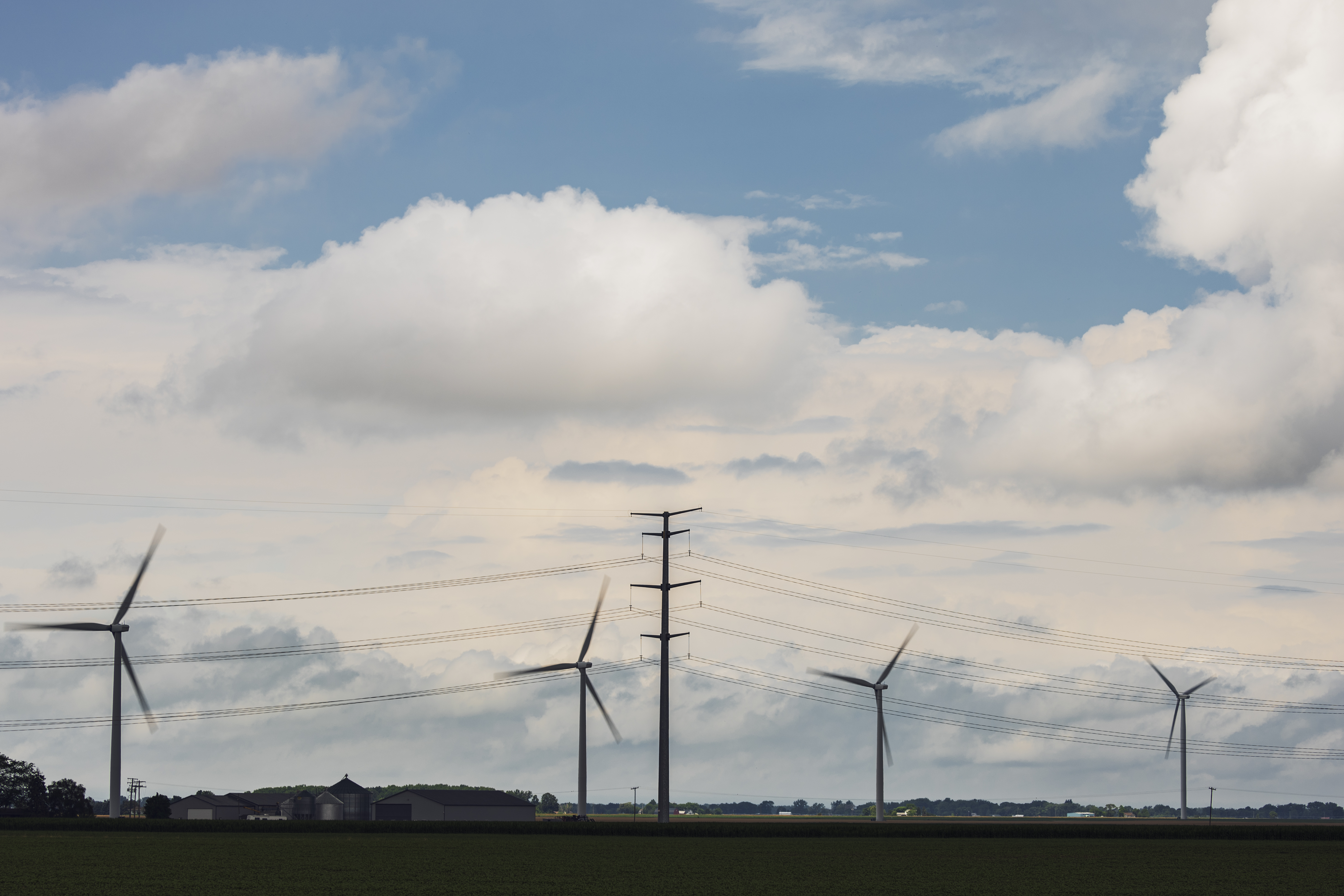
Fortis has 10 electric and gas companies across five Canadian provinces, 10 U.S. states, and three Caribbean countries.
Addressing Climate Adaptation
Focusing on reducing emissions is only one piece of the broader clean energy puzzle. We must simultaneously prepare for the increased frequency of extreme weather events and their impacts on our infrastructure.
Hurricanes, floods, wildfires, and extreme weather events have the potential to devastate our customers and communities and the reliability of our infrastructure. Fortis is mitigating the impacts of these events by installing higher-grade distribution poles and transmission infrastructure, upgrading poor-performing feeders, integrating redundant transmission and distribution, and building critical structures and buildings to better withstand extreme weather. These measures are taken based on vulnerability assessments and new building standards that reduce the risk of outages, address ice-loading, and de-escalate wildfire risk.
Like others in our industry, we have shifted from planning our systems based on historical weather patterns to modeling for future climate scenarios, focusing on industry climate partnerships, excellence in design standards, and operating with best practices in mind. Fortis is part of the Electric Power Research Institute’s (EPRI’s) Climate Resilience and Adaptation initiative, which leverages decades of research by EPRI, U.S. National Research Laboratories, the U.S. Department of Energy, and other key stakeholders to create a comprehensive framework to guide electricity system adaptation and resiliency decisions and investments. Fortis also conducts climate scenario analyses to identify the most material impacts of climate change on our operations.
As we experience extreme weather events, our ability to recover and restore becomes increasingly important, especially as our communities rely more on electricity. We are increasing our attention on extreme weather preparedness and restoration to be well-equipped to respond in the future. Mutual assistance programs will remain an essential part of our restoration process, and we should plan ahead for their increased usage with additional flexibility and resources.
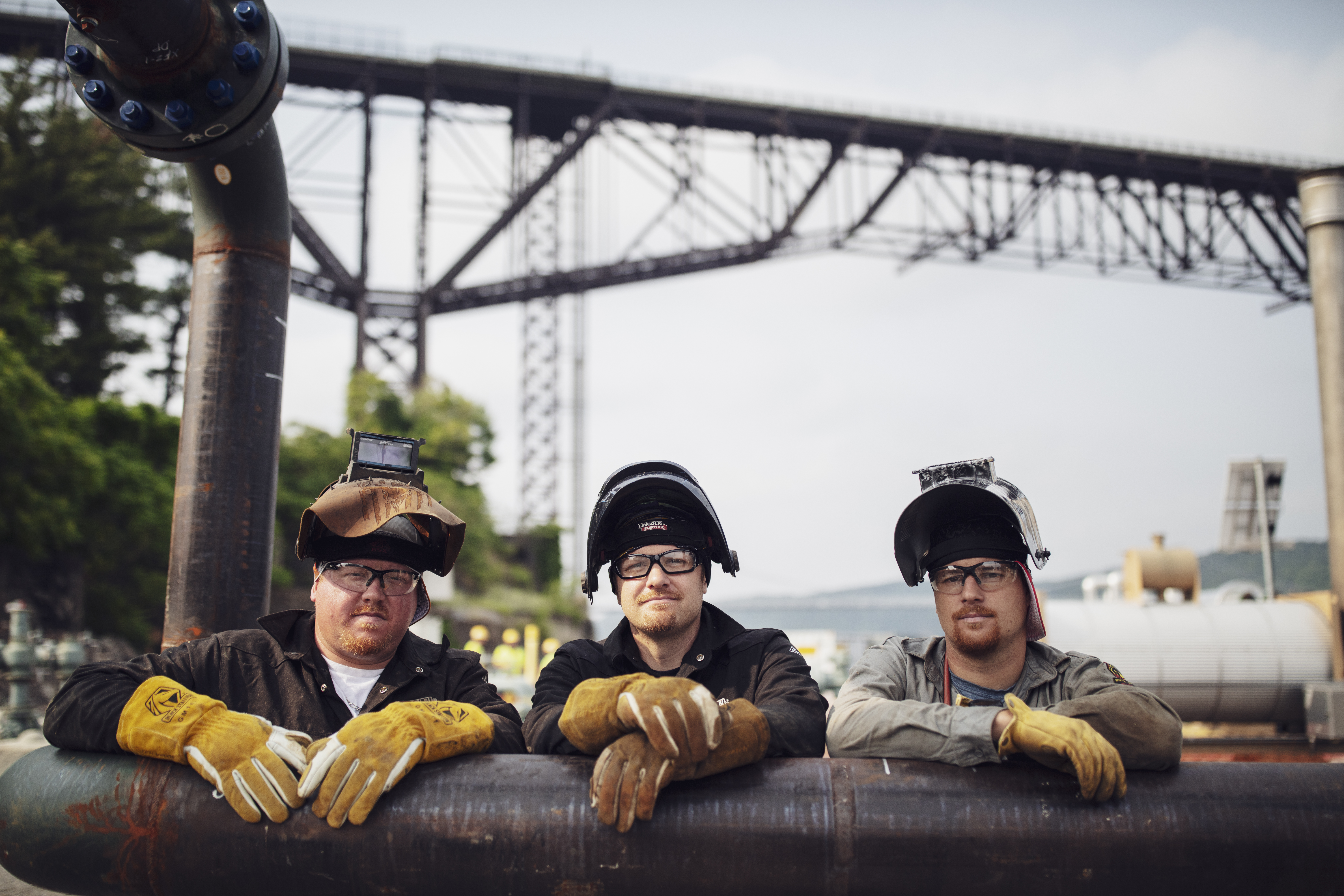
Fortis reduced its Scope 1 emissions by 28 percent through 2022 compared to 2019 levels and is targeting a 50-percent reduction by 2030.
Setting Expectations for the Journey
There are tensions among speed, reliability, and affordability on the road to a net-zero economy. We must set ambitious goals while remaining flexible and acknowledging that the path may differ across jurisdictions— and may change based on data, markets, and technology. Success will require building and maintaining broad public support and instilling confidence that the clean energy transition is an opportunity for everyone. Reassuring customers of our commitment to delivering safe, reliable, affordable energy is key.
While we must all commit to our mantra of getting as clean as we can as fast as we can, we also must recognize that our roles in this clean energy transition can vary significantly by the businesses we are in and the specific options our jurisdictions have to offer. There is no one-size-fits-all solution, and many paths can lead to the same end goal.
Learn more about Fortis Inc.'s commitment to emission reduction and reaching net zero.