Argonne's Mark C. Petri: Protecting the Grid's Vital Role in National Resilience
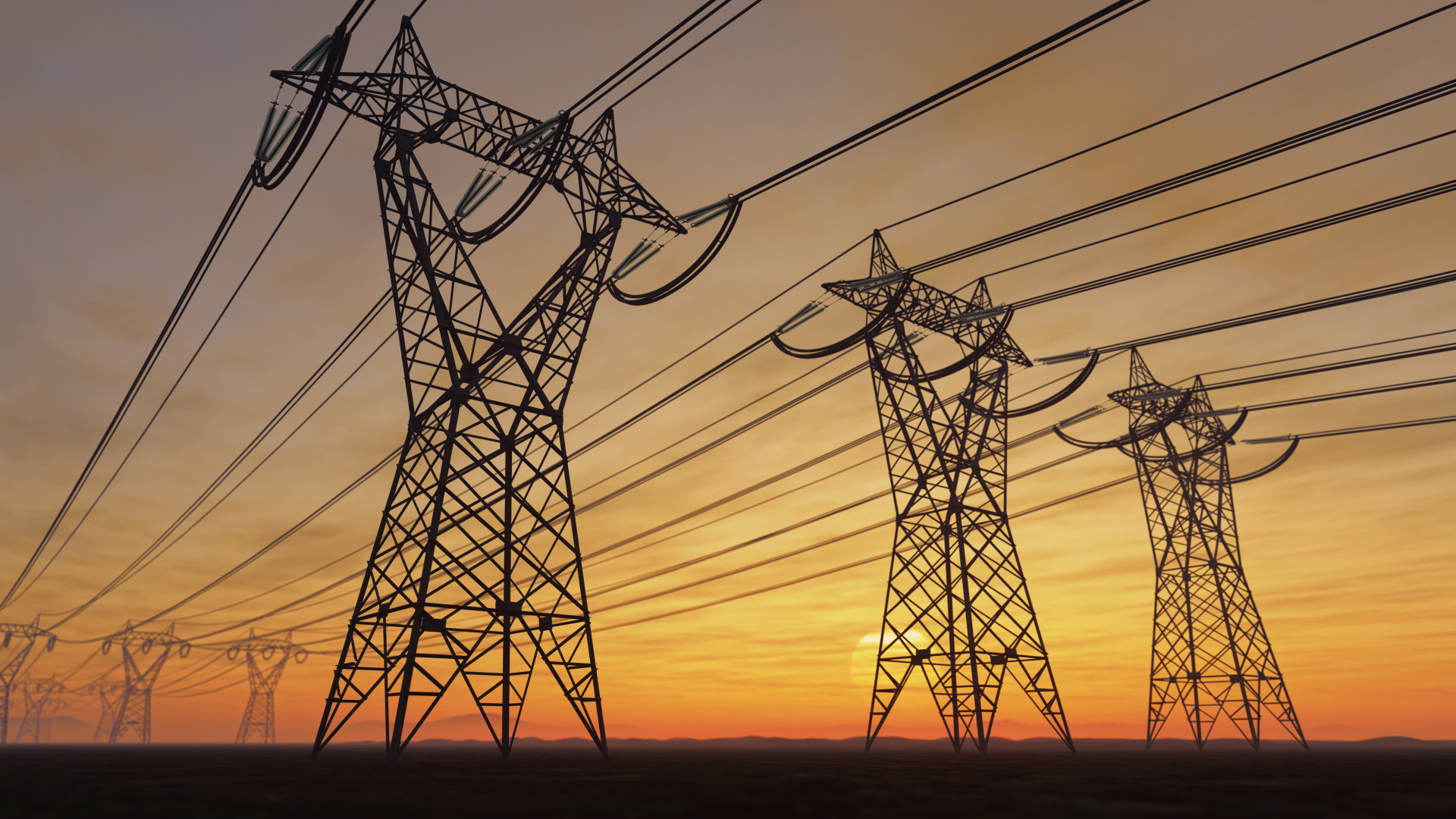
The U.S. energy grid is one of the most sophisticated machines ever constructed, supporting the health, prosperity, and security of millions of Americans across vital sectors of the economy. The grid’s ever-growing complexity—comprised of nearly 12,000 power plants, 200,000 miles of high-voltage transmission lines, 60,000 substations, and 3 million miles of power lines—brings a near-constant stream of resilience threats and challenges. The grid’s interdependencies with critical energy, water, and telecommunications infrastructures amplify the risks from both natural and manmade threats, which is why holistic strategies for comprehensive protection are essential.
The U.S. Department of Energy (DOE), including Argonne National Laboratory, addresses these multifaceted challenges comprehensively, with a strategy that seeks to:
- Understand external threats through collaboration across various disciplines.
- Identify vulnerabilities within interdependent infrastructures, modeling system behavior under diverse conditions.
- Develop technologies to bolster resilience without compromising customer affordability, reliability, or equity.
Importantly, DOE’s strategy also engages industry and government partners to validate and implement solutions from a multidisciplinary perspective. The DOE National Laboratories are on the cutting edge of scientific discovery, developing a spectrum of technologies to increase the resilience of the grid against natural and manmade threats, on a timescale ranging from real-time to decades into the future.
At Argonne National Laboratory, founded in 1946 as the country’s first national lab, the Climate Risk and Resilience Portal forecasts climate hazards like heatwaves, wildfires, and flooding for the next 50 years on a 4-kilometer grid, aiding electric companies like ComEd and private-sector partners like AT&T in safeguarding infrastructure. Similarly, the Hurricane Electric Assessment Damage Outage tool uses national data to rapidly predict the impact of storms and to project electric infrastructure restoration needs. This helps electric companies and governments predict and mitigate disruptions to ensure grid and interdependent system resilience.
To integrate distributed energy resources like residential solar panels, batteries, and electric vehicles (EVs) and chargers located at homes and businesses into the grid safely and efficiently, DOE developed software such as the open-source TDcoSim. is software enables grid operators to conduct transmission and distribution analyses and to simulate potential power system impacts. Industry partnerships—including Argonne’s work with Pacific Gas and Electric Company to develop tools for assessing wildfire risks—are helping to identify and address security vulnerabilities.
The energy grid is a linchpin for health, prosperity, and security and is vitally important to essential services and industries. Protecting the grid requires collaboration among the federal government, electric companies, and private-sector partners in the technical, scientific, and industrial fields. This tested and proven approach extends the power of DOE laboratories beyond their confines, fostering partnerships to address the most pressing security and resilience challenges that the grid faces today—and is likely to face in the years and decades ahead.