
DOT, FAA Unveil Streamlined Long-Range UAS Rules
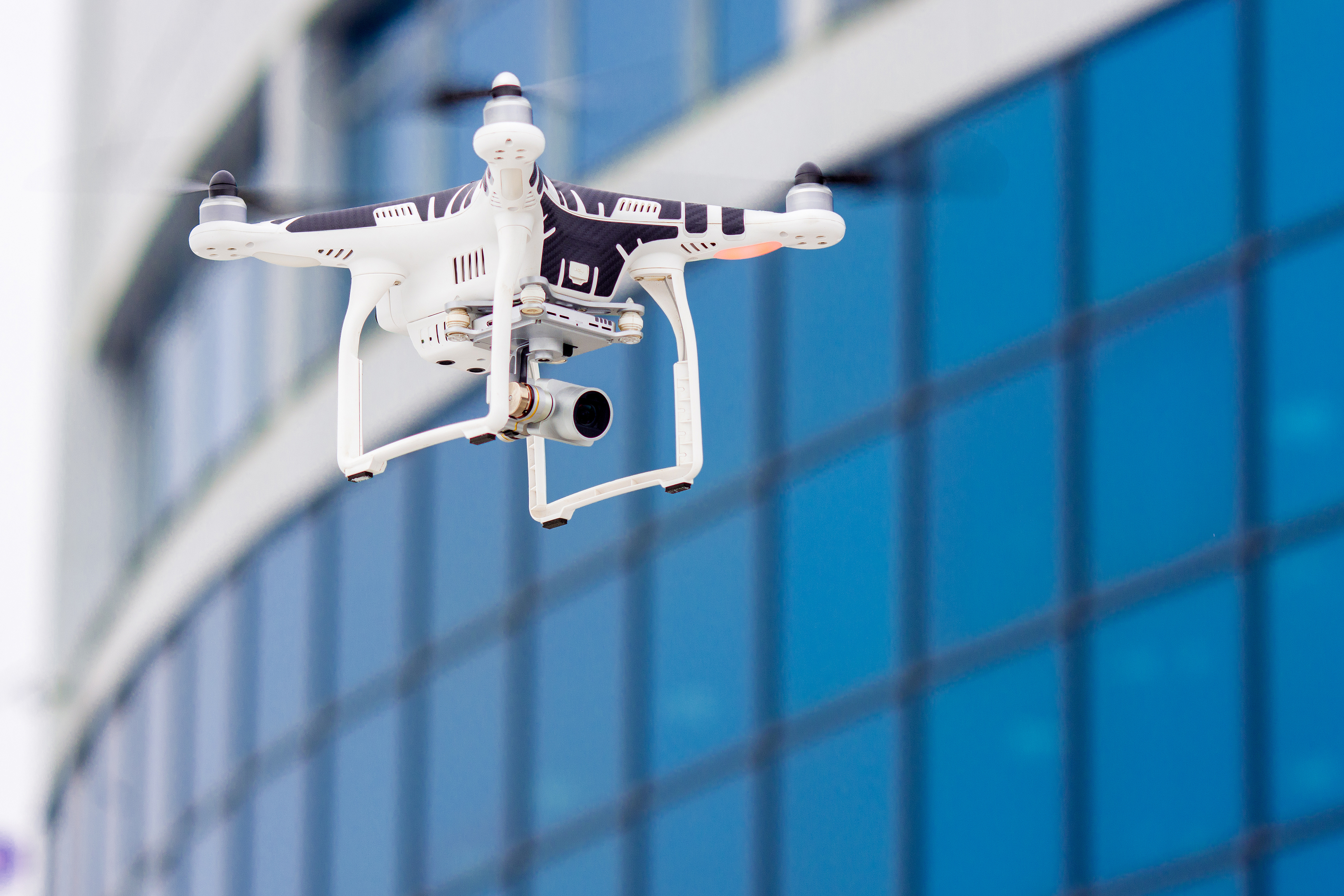
On August 5, the U.S. Department of Transportation and Federal Aviation Administration (FAA) announced a proposed rule that would streamline the approval process associated with operating commercial uncrewed aerial systems (UAS) beyond visual line of sight.
The proposed rule would set specific criteria for commercial, long-range UAS operations at or below 400 feet, including adherence to certain cybersecurity provisions, safety best practices, and other industry standards. It would apply to companies operating UAS fleets for specific purposes, including package delivery, agriculture, aerial surveillance, and civic interest. A public comment window will remain open for 60 days before potential implementation.
Current regulations require UAS operators to either position staff on the ground to oversee operations within their field of vision or apply for FAA exemptions, which are then reviewed on a case-by-case basis. The newly proposed rule would more uniformly define commercial standards for operating beyond visual line of sight in lieu of the existing waiver process.
If implemented, the rule could expand drone and UAS operations among investor-owned electric companies, many of which are already using these technologies or exploring how they can help maintain critical energy infrastructure, assist with extreme weather preparation and response efforts, and improve safety.
Electric companies have historically relied on ground crews, bucket trucks, and crewed aircraft for inspections and storm damage assessments. The use of drones and UAS technologies can provide a safer, faster, and more cost-effective alternative, particularly when high-resolution cameras, Light Detection Ranging sensors, and thermal sensors are implemented.
Earlier this year, Southern Company received FAA approval for UAS flights beyond visual line of sight to monitor energy infrastructure, assess storm damage, and respond proactively to potential issues with the energy grid.
Florida Power & Light, similarly, began flying its FPLAir One drone in 2022. At the time, it was the first large-scale drone of its size to be operated commercially outside of an FAA test site. And, back in 2018, Xcel Energy first received FAA approval to utilize UAS technologies to survey transmission lines near Denver.
Learn more about investor-owned electric companies’ reliability, resilience, and emergency response work at eei.org.