
EEI Report: Annual Electricity Generation Jumps 3 Percent
More than 52 GW of generating capacity was added to the energy grid last year, according to EEI's latest Statistical Yearbook.
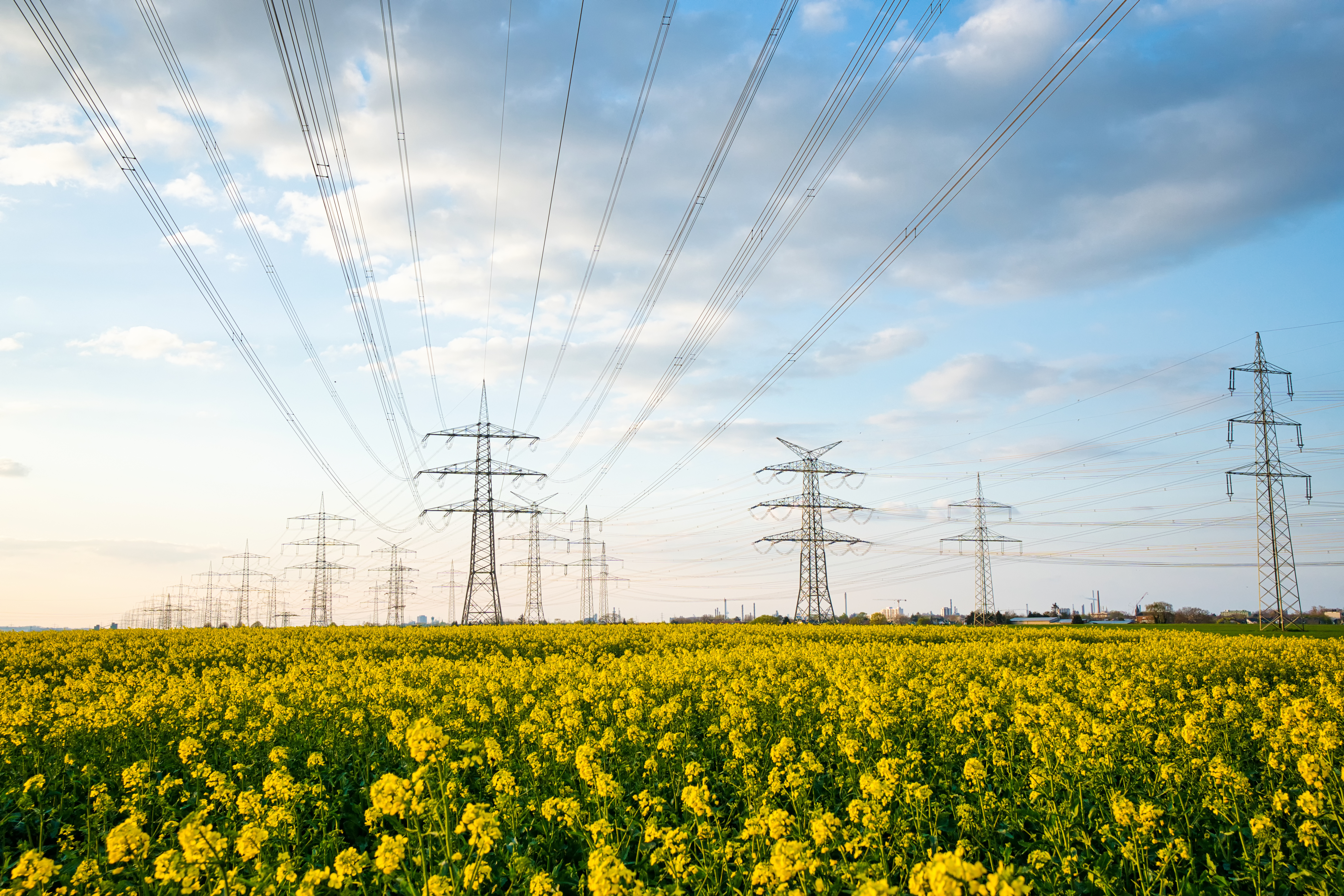
Driven by the growth of artificial intelligence (AI) technologies and data centers, industrialization, and electrification across the economy, electricity generation in the United States climbed 3 percent in 2024, reaching 4,303,038 gigawatt hours (GWh), according to EEI’s 2024 Statistical Yearbook.
It was the largest year-over-year jump in electricity generation in five years, according to the report, which EEI publishes annually to track key industry benchmarks. America’s energy demand is expected to continue climbing in the years ahead, as AI and ongoing electrification trends reshape customer needs. By 2030, domestic electricity generation is projected to climb north of 4,500,000 GWh and reach 6,179,000 GWh by 2050.
Fueling that additional generation capacity is a diverse energy mix: Natural gas accounted for 43.3 percent of electricity generated last year, with nuclear energy accounting for 18.2 percent of all generation. Coal (15.2 percent), wind (10.5 percent), hydro (5.5 percent), and solar (5.1 percent) were also important tools in the industry’s energy toolbox.
Investor-owned electric companies have been investing tens of billions of dollars to build new critical energy infrastructure of all kinds and will invest more than $1.1 trillion during the next five years to build out the grid and power prosperity. The U.S. energy grid was powered by more than 1,352 gigawatts (GW) of installed generating capacity at the end of 2024—up nearly 5 percent year over year.
More than 52 GW of generating capacity was added to the grid last year, along with nearly 12 GW of battery storage technologies. Battery storage capacity added last year was up 55 percent from what was added to the grid in 2023.
Looking back an additional year for the most recent data, the report found that industry construction spending on transmission projects was up 12.5 percent in 2023 from the year prior, totaling $30 billion. Distribution expenditures were up 17.8 percent during the same period, totaling $56.7 billion.
To read the report and to view more of the latest industry data, visit eei.org/data.