
"Equity Is Part of Alabama Power's DNA": Building an EV Future for Everyone
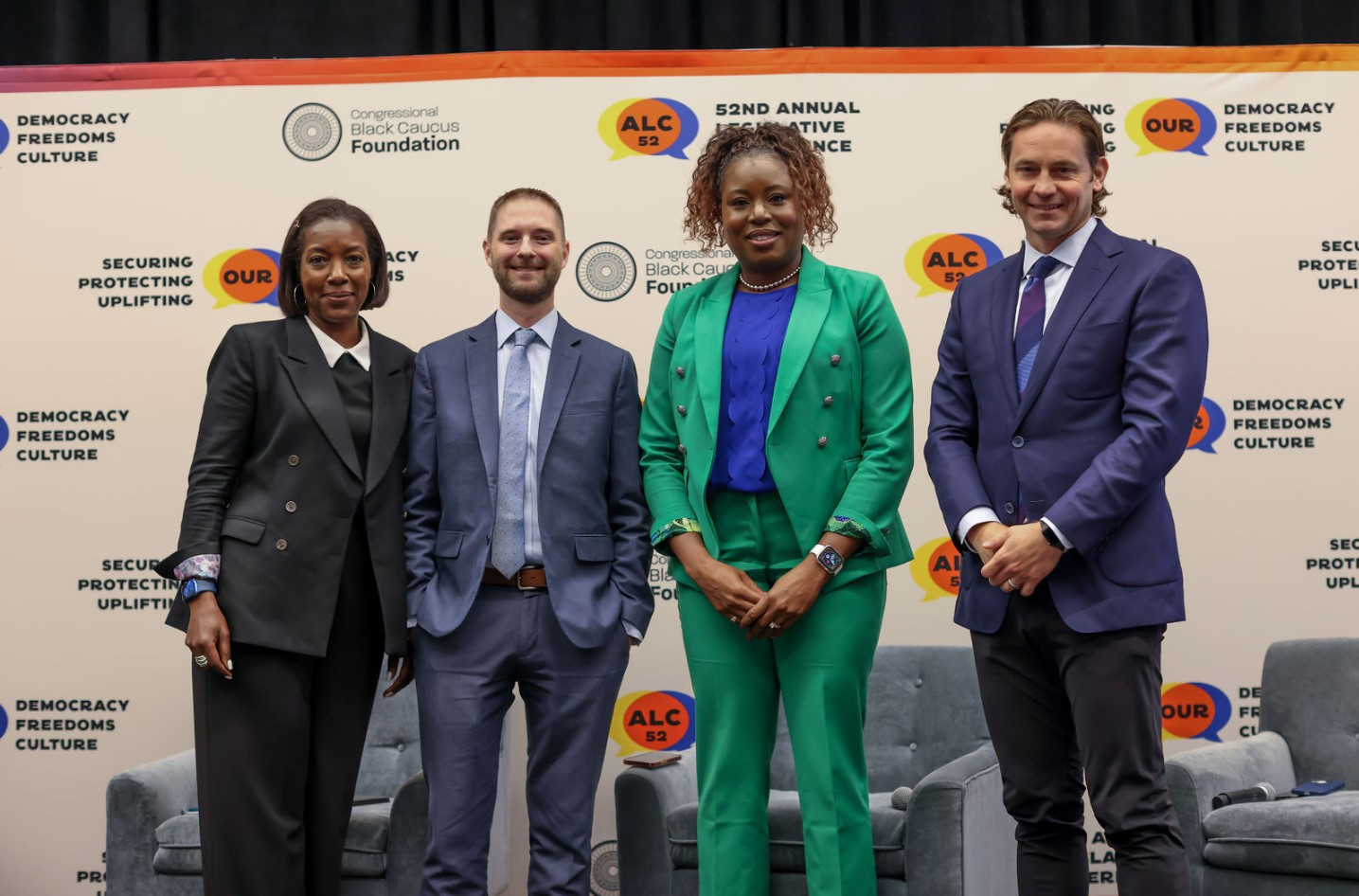
EEI and Alabama Power recently hosted a panel discussion focused on driving equity and inclusion into the shift toward electric vehicles (EVs) and the buildout of EV infrastructure. The panel was part of the Congressional Black Caucus Foundation's 52nd Annual Legislative Conference in Washington, D.C.
“EVs are obviously important to our business, but this particular topic of equity is part of Alabama Power's DNA,” said Houston Smith, vice president of government affairs at Alabama Power. “It is encouraging to see that we are having equity and inclusion conversations on the front end of this developing EV industry.”
During the session, which was moderated by Paula Glover, president of the Alliance to Save Energy, panelists discussed EV equitability and access concerns relevant not only to Alabama, but throughout the rest of the country. EEI projects that 140,000 EV fast charging ports will be needed to support the more than 26 million EVs expected to be on U.S. roads by 2030.
“We need to ensure our communities share in the economic opportunities and job creation from this industry,” U.S. Representative Terri Sewell (D-Ala.) said during her introductory remarks. “We need to make sure in all of our communities that no one is left behind. We need to prepare for an EV future.”
Access to charging infrastructure was referenced throughout the session, as panelists described the challenges faced by EV owners who live in multi-unit housing, rural communities, or areas that historically have not seen the same level of infrastructure investments as higher-income areas.
“We know that not everyone will be able to plug in at home, so we need to address those challenges,” said Dr. Shelley Francis, co-founder and managing partner of EVNoire. “We understand that every community is different, and mobility needs are different.”
Dr. Francis noted that EVs have become more affordable for many Americans—and that more federal dollars are being directed toward the buildout of EV charging infrastructure—thanks to the passage of legislation like the Inflation Reduction Act and the Bipartisan Infrastructure Law. Among other supportive EV measures, the laws offer tax credits for the purchase of new or used EVs and EV-charging equipment, direct billions of dollars to support advanced vehicle and part manufacturing in the United States, and establish new national programs to expand the availability of public and fast charging equipment.
“The government using federal dollars to stimulate this industry is going to unlock tremendous opportunity,” Smith said, highlighting Alabama Power's work to ensure that this opportunity will benefit people throughout the state and the rest of the country. “A lot of our citizens don't live on the interstates where a lot of this infrastructure has been built. Our company is working to provide a match to state dollars to make sure disadvantaged communities can access critical charging infrastructure.”
Whether you like it or not, Alabama's economy depends on the future of automobiles. And, the future of automobiles is electric.

Smith also pointed to the potential boon EVs and EV manufacturing will have on local labor markets. Alabama's manufacturing industry historically has been among the largest in the United States, accounting for more than 16 percent of Alabama's total economic output, according to the National Association of Manufacturers. More than 13 percent of Alabamans work in manufacturing. And, motor vehicles and parts manufacturing represents the largest segment of the industry in Alabama, accounting for roughly $6.7 billion in total economic output.
Smith estimates 80,000 jobs in Alabama are supported by auto manufacturing. He said Alabama Power maintains active partnerships with several community colleges and Historically Black Colleges and Universities throughout the state to ensure the science, technology, engineering, and math skills needed for more advanced EV manufacturing are being taught to students.
“Whether you like it or not, Alabama's economy depends on the future of automobiles. And, the future of automobiles is electric,” Smith said. “The jobs of the future that will support EVs, the software-based jobs, are very different from what we have today. We want to focus on inclusive training so that all communities across Alabama can benefit from these new and technologically advanced jobs.”